

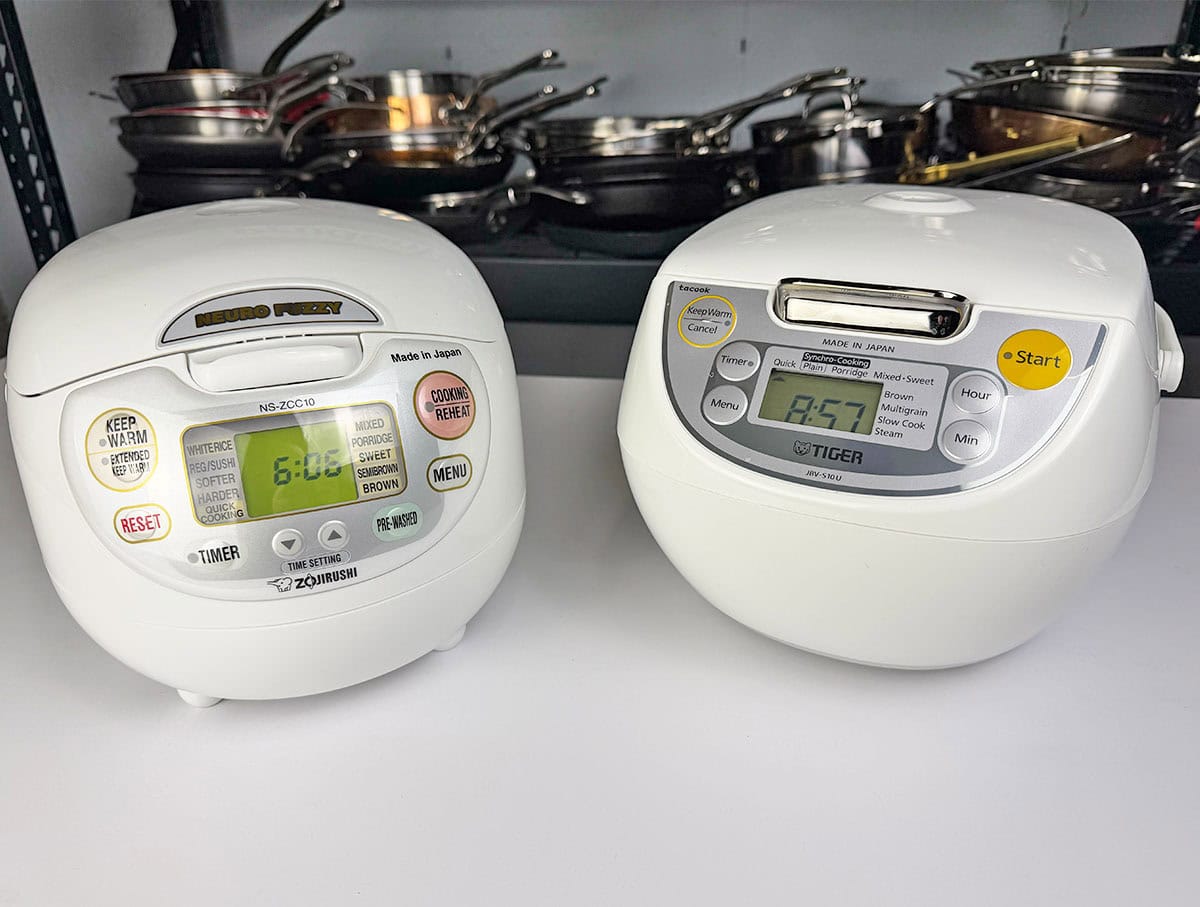
Are you shopping for a rice cooker and need help deciding between Zojirushi and Tiger?
Both brands offer fuzzy logic technology, physical buttons, similar capacities, and folding handles. But why does the Zojirushi cost almost double?
I tested each brand’s most popular model by cooking over 50 batches of rice, including controlled side-by-side tests with white rice, brown rice, sushi rice, and quick cook modes at different capacities.
In this comparison, I’ll walk through the performance differences, cook times, and design trade-offs to help you decide which rice cooker makes sense for your budget.
Key Takeaways
- Tiger outperforms Zojirushi on brown rice, producing light and fluffy grains instead of mushy, clumpy texture.
- Tiger cooks significantly faster across all rice types: 44 minutes vs. 53 for white rice, and 63 minutes vs. 103 for brown rice.
- Tiger’s inner lid doesn’t come off for cleaning. You have to wipe it down with a cloth instead of rinsing it in the sink, which is a hassle.
- Both deliver excellent white rice in medium and large batches, but Tiger’s small one-cup batches develop a starchy film on the bottom where grains fuse together.
- Zojirushi offers premium features that make daily use easier: a retractable 50-inch cord, heat-resistant pot handles, removable inner lid, and smooth lid operation.
- Despite Tiger’s lower price and faster cook times, Zojirushi is the better long-term investment for most people who cook rice regularly.
- Both brands offer multiple rice cooker models on Amazon. I tested the Zojirushi NS-ZCC10 and Tiger JBV-S10U for this comparison, but you can browse the full Zojirushi lineup and Tiger lineup to see other capacities and features.
Use the links below to navigate the comparison:
Comparison Chart
| Feature / Test | Zojirushi | Tiger |
|---|---|---|
| Model | NS-ZCC10 | JBV-S10U |
| Price | $$$$$ (Amazon) | $$$ (Amazon) |
| Capacity (Uncooked) | 1 to 5.5 cups | 1 to 5.5 cups |
| Weight | 6.4 lb | 6.3 lb |
| Bowl Material | PTFE nonstick | Fluorine coating |
| Fuzzy Logic | Yes | Yes |
| Detachable Inner Lid | Yes | No |
| Cord Length | 50.5 inches (retractable) | 32.5 inches (fixed) |
| White Rice (3 cups) Result | Perfect texture, ideal stickiness | Perfect texture, ideal stickiness |
| Brown Rice Result | Mushy and clumpy | Light and fluffy, excellent |
| Sushi Rice Result | Excellent, perfectly sticky | Good texture, minor film on bottom |
| White Rice (3 cups) Time | 53 minutes | 44 minutes |
| Brown Rice Time | 103 minutes | 63 minutes |
| Quick Mode Time Saved | 14 minutes | 16 minutes |
| Keep Warm Temperature | 174°F | 190°F |
Design and Usability
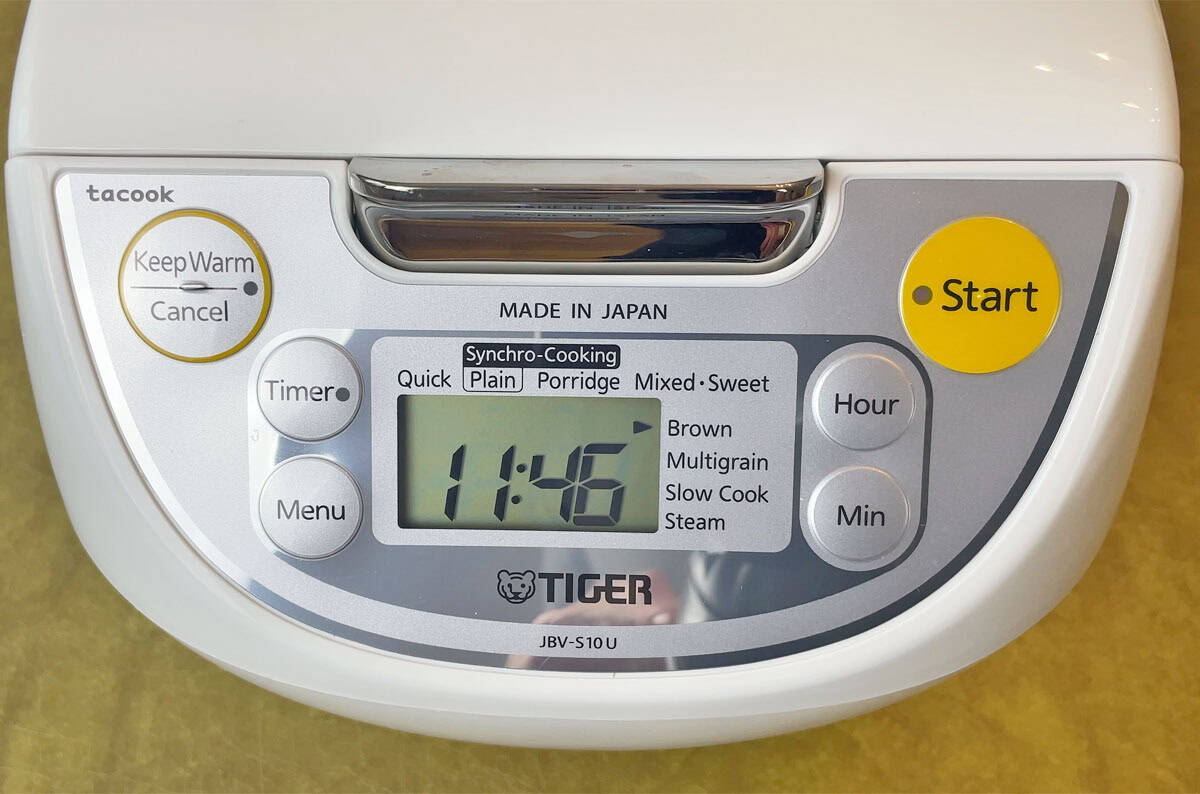
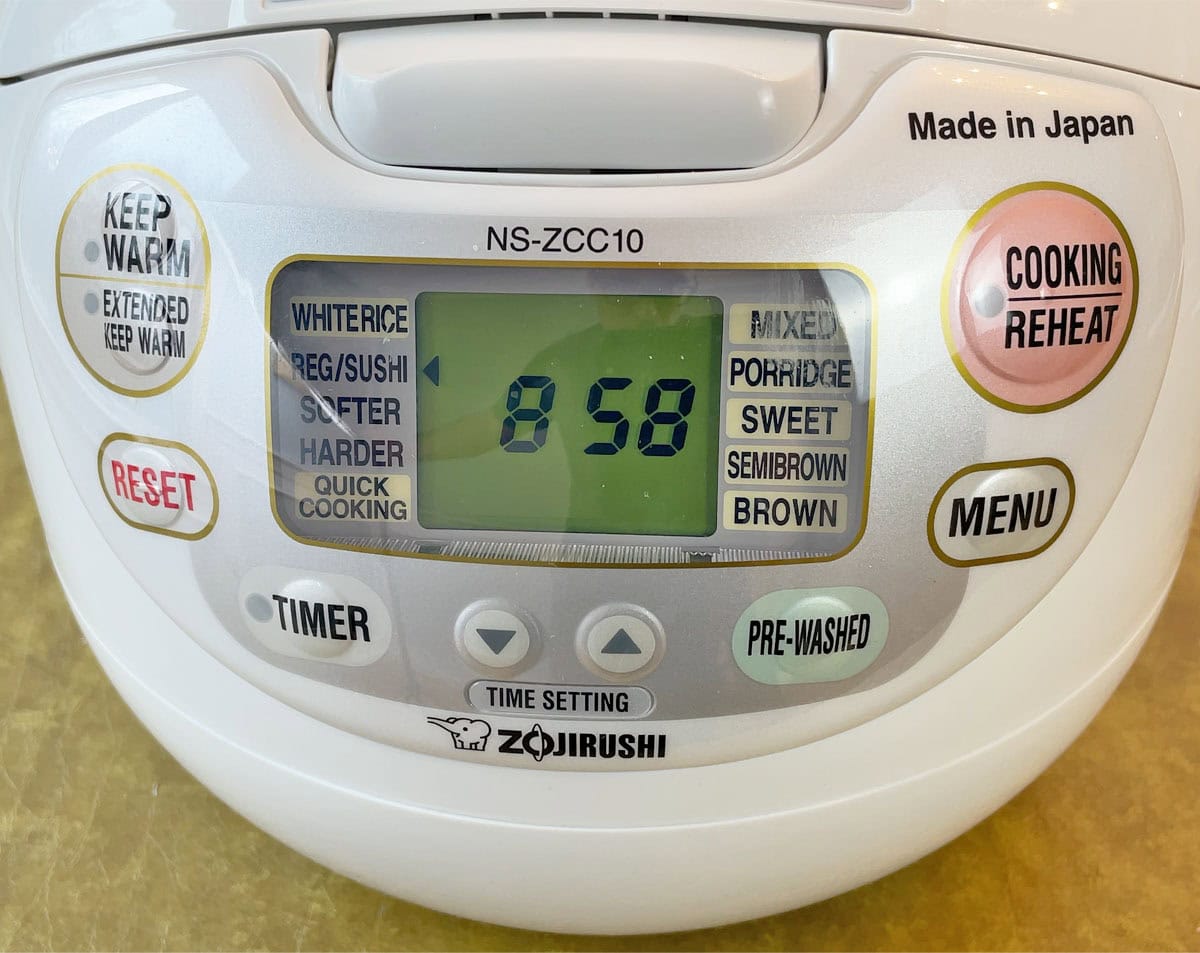
The first thing you’ll notice is how similar these rice cookers look. Both have rounded white bodies, and physical button controls. They weigh nearly the same (6.4 pounds for Zojirushi, 6.3 for Tiger) and have identical capacity ranges.
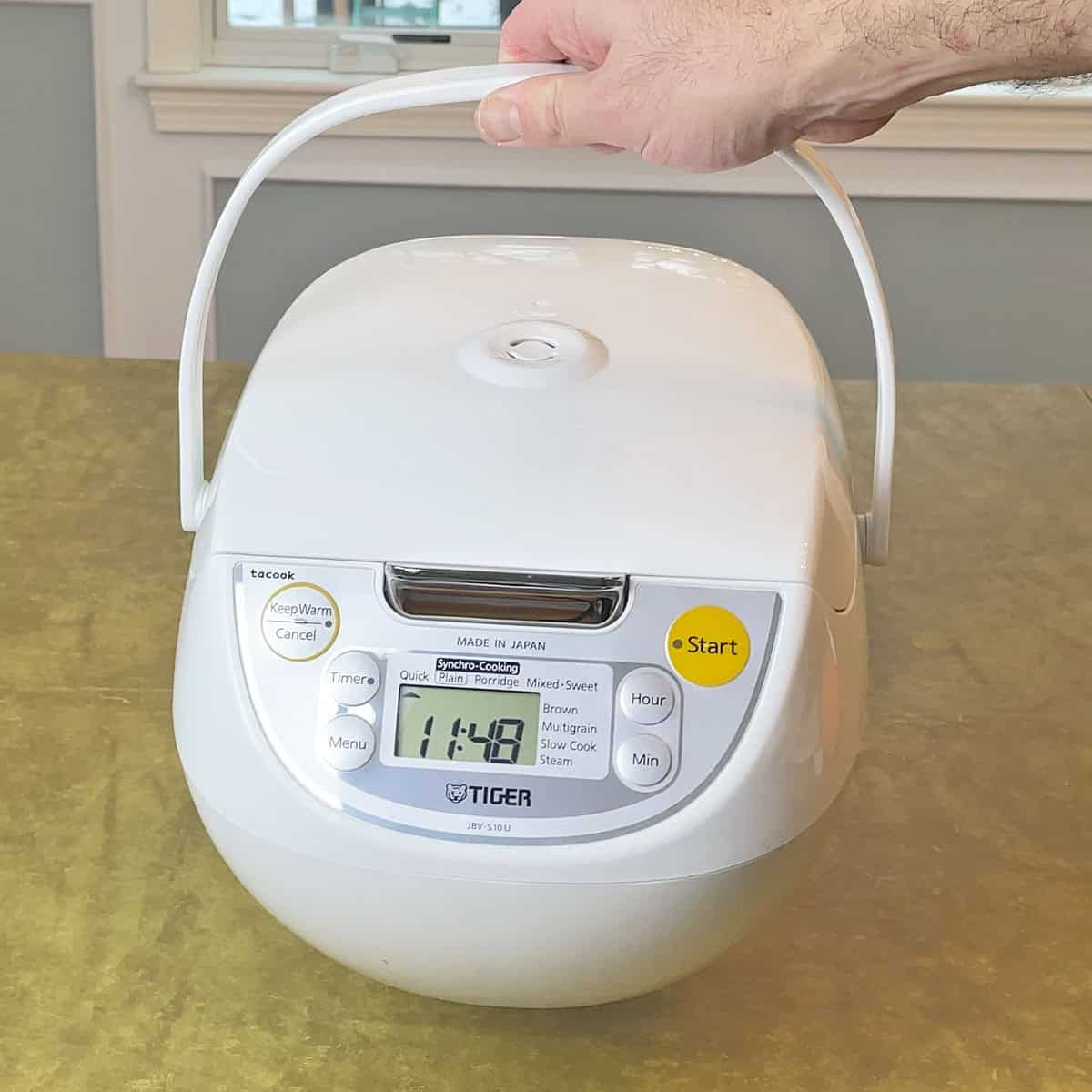
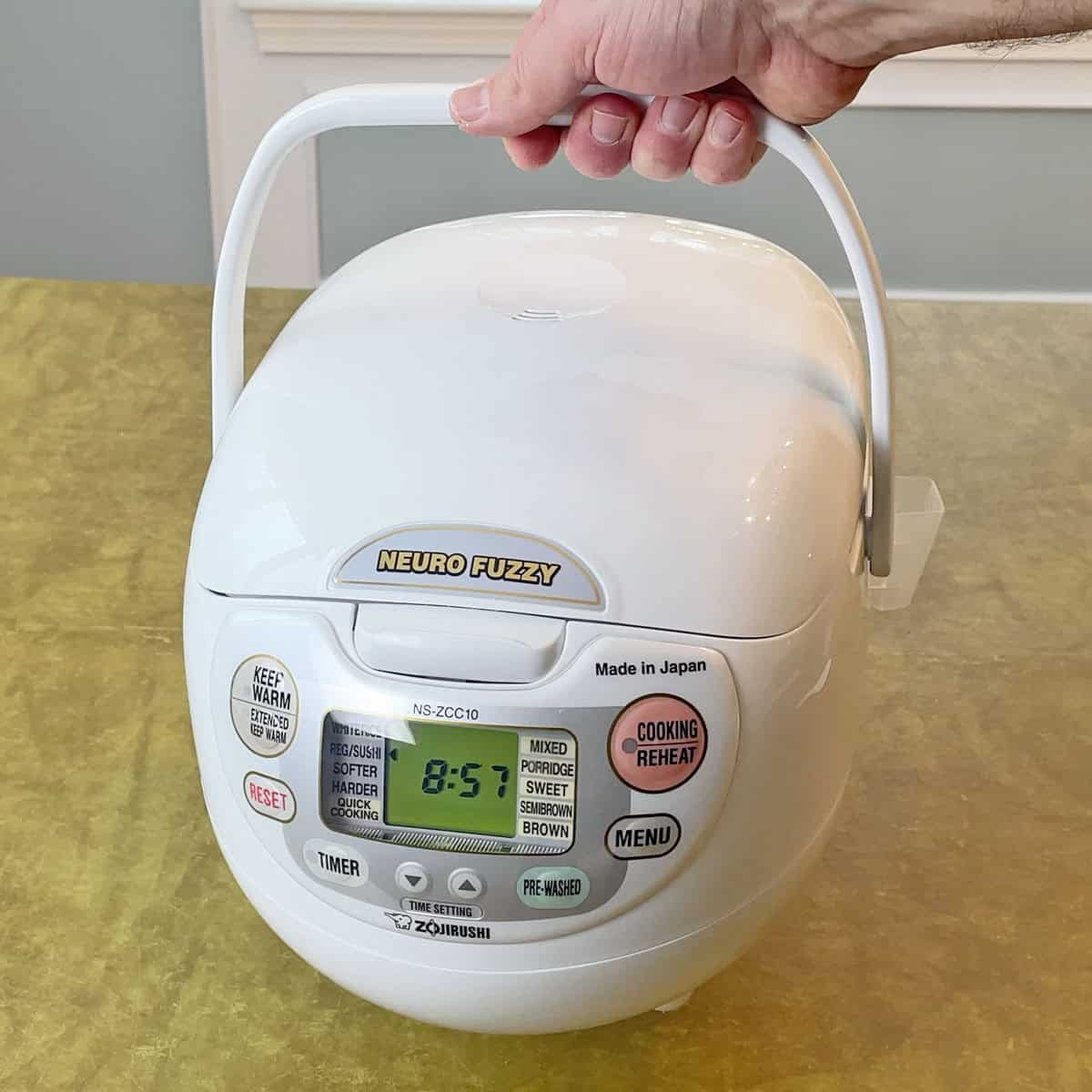
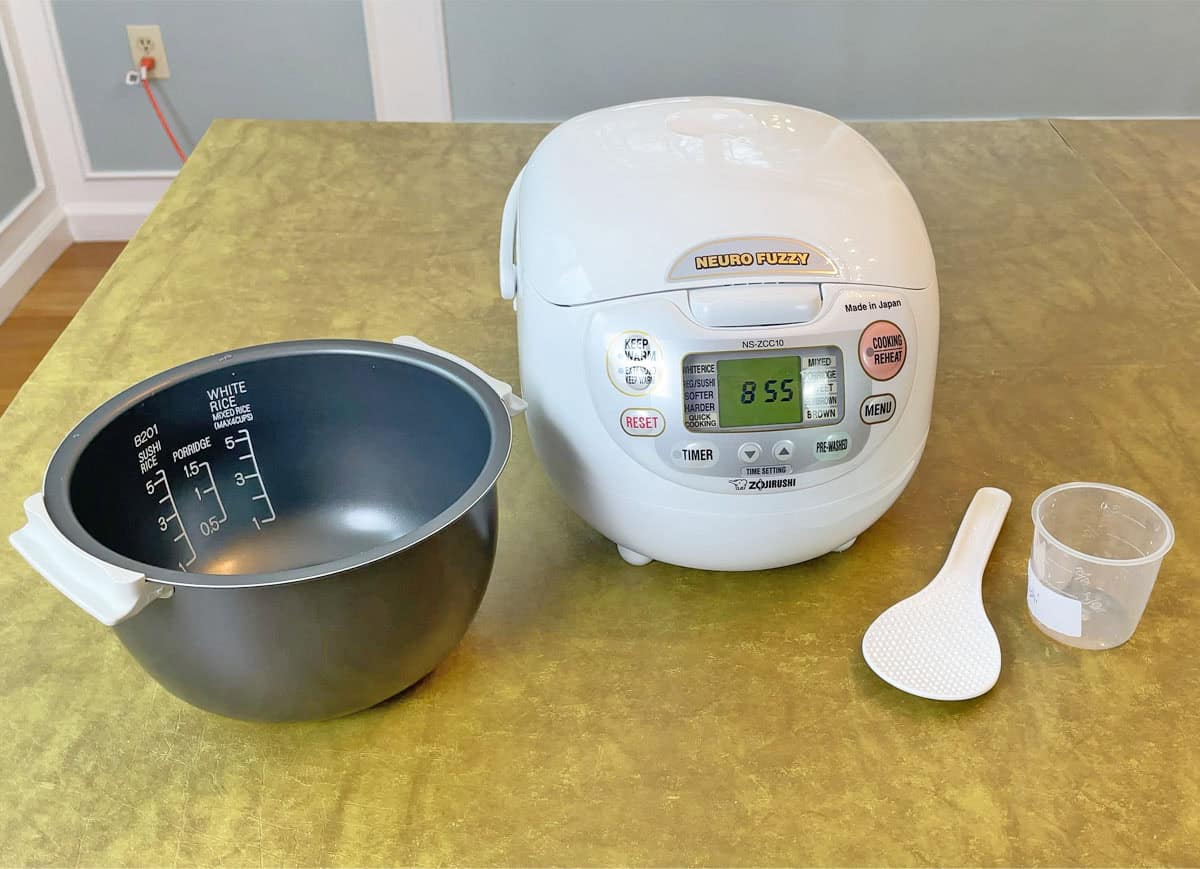
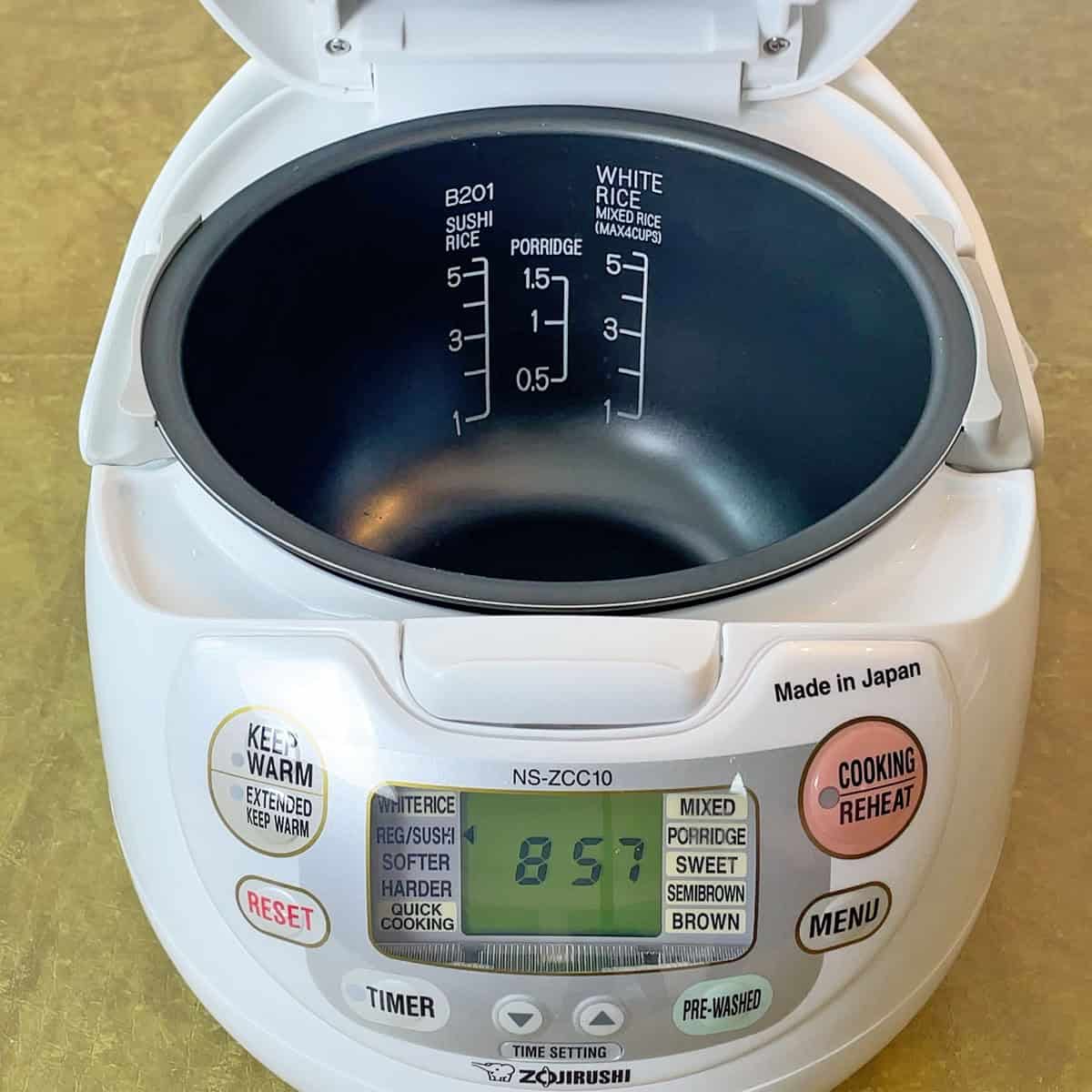
Both rice cookers feature folding handles that make them easy to move around your counter. The Zojirushi’s inner pot includes heat-resistant plastic handles on the sides, so you can lift it out while it’s still hot without gloves. The handles also force the pot into the correct orientation, so the water level markings always face forward.
Tiger’s pot doesn’t have handles, so you’ll need to wait for it to cool or use a towel.
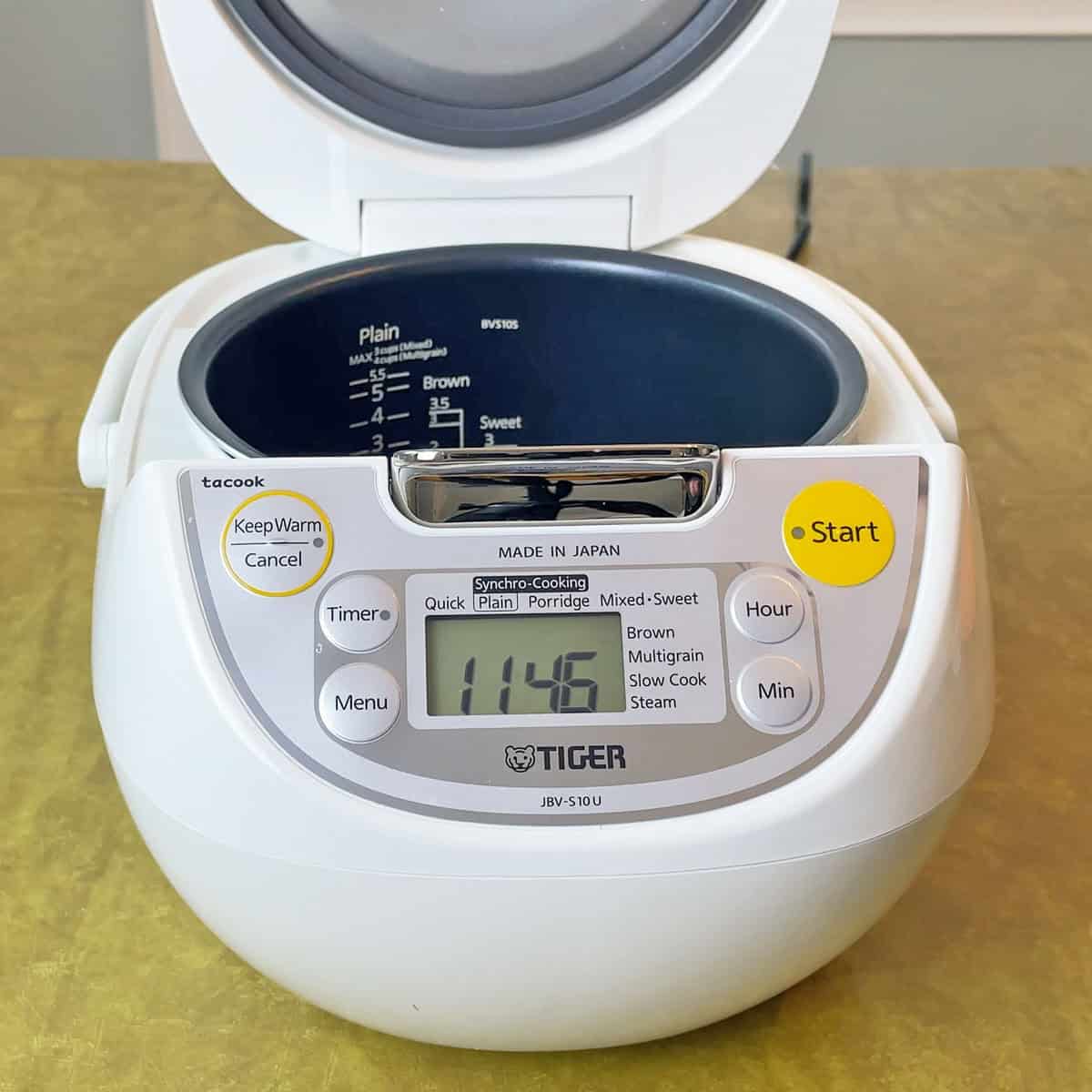
Zojirushi’s lid opens slowly and smoothly when you press the button. It doesn’t jolt the unit or slam into your cabinets. Tiger’s lid snaps open quickly and jolts the unit when it hits the top. It’s not as aggressive as the Cuckoo’s lid that literally lifts the cooker off the counter, but it still shakes the machine noticeably.
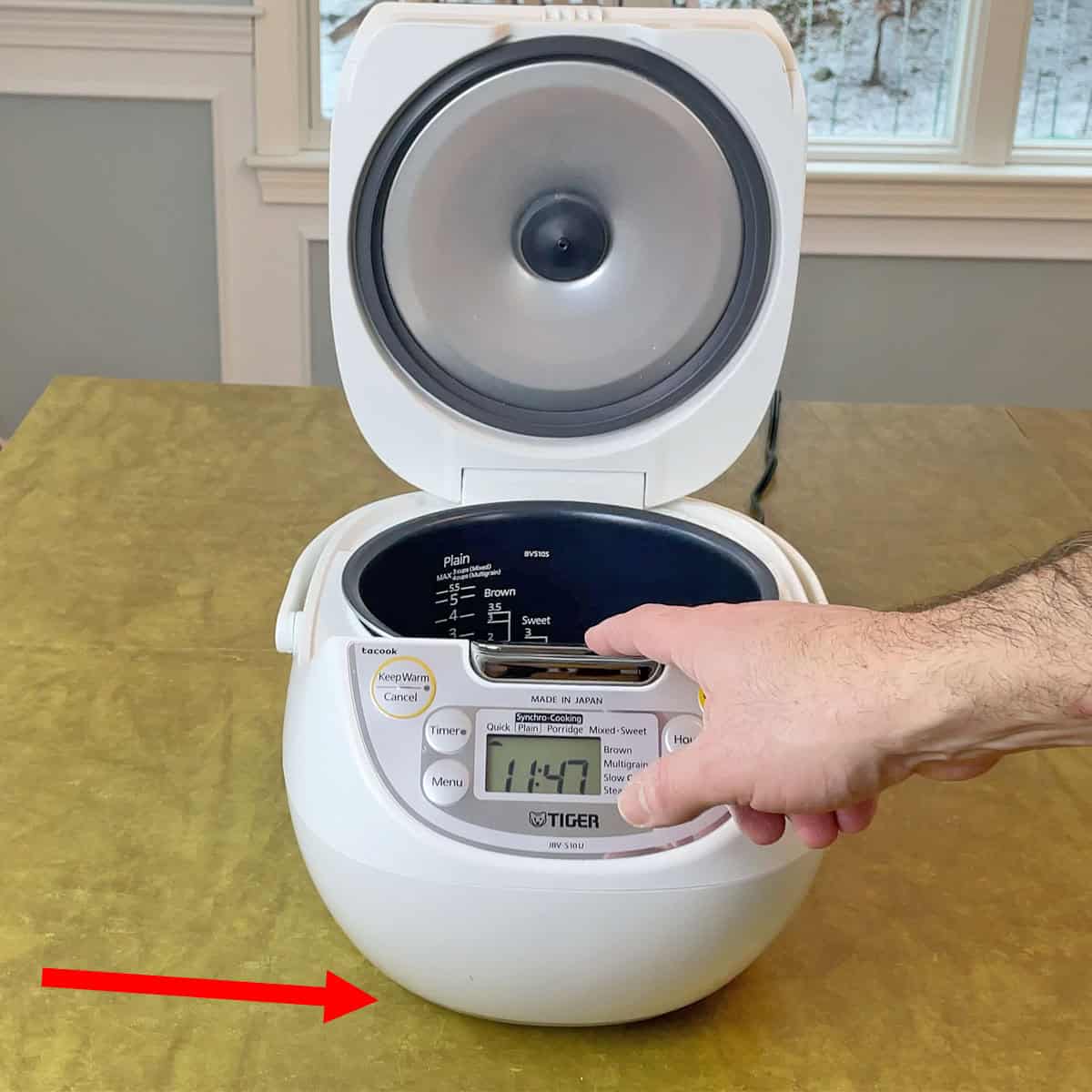
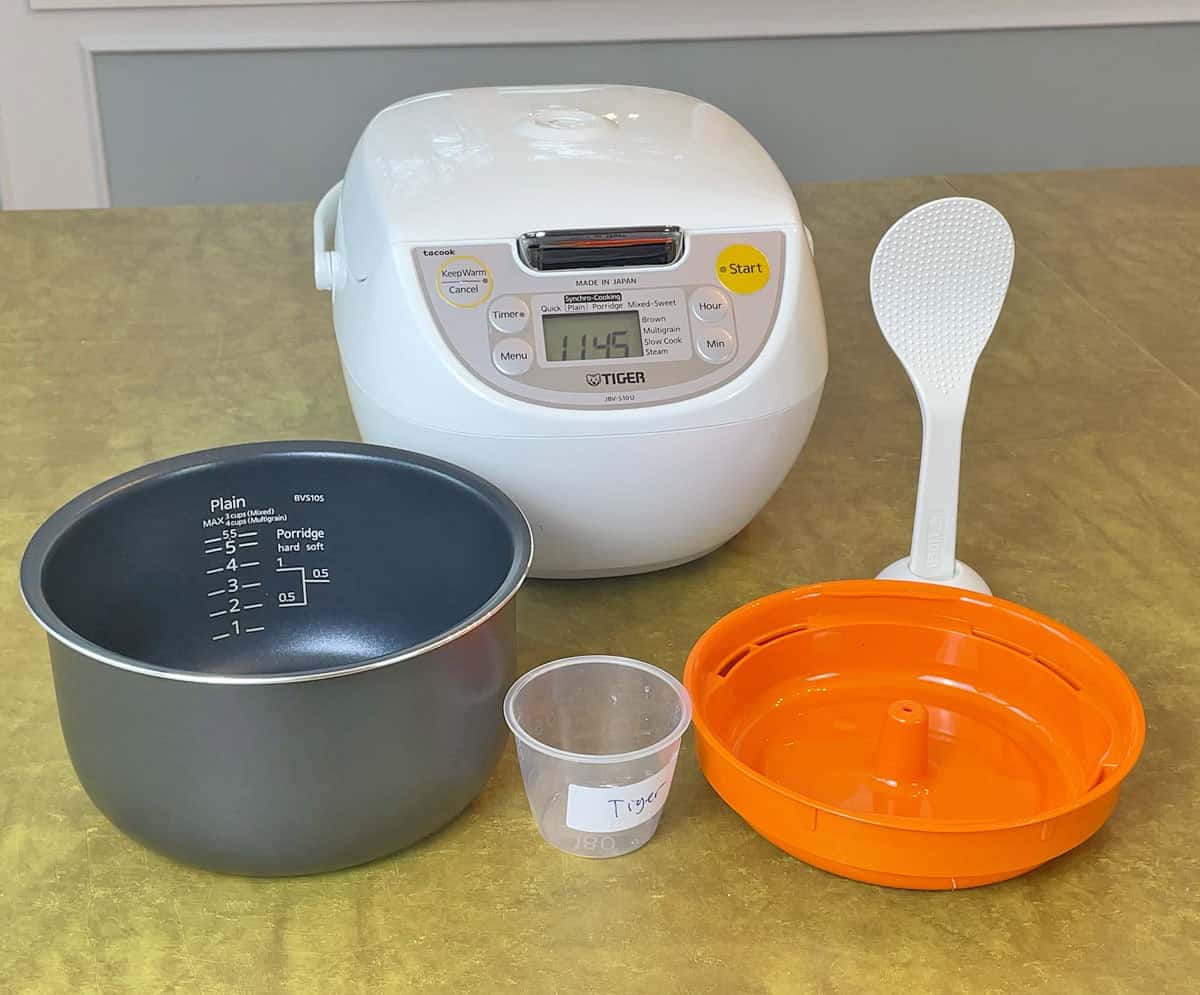
Here’s the biggest design issue with the Tiger: the inner lid doesn’t come off. Every other rice cooker I tested, including Zojirushi, has a removable inner lid that you can pop off and rinse in the sink.
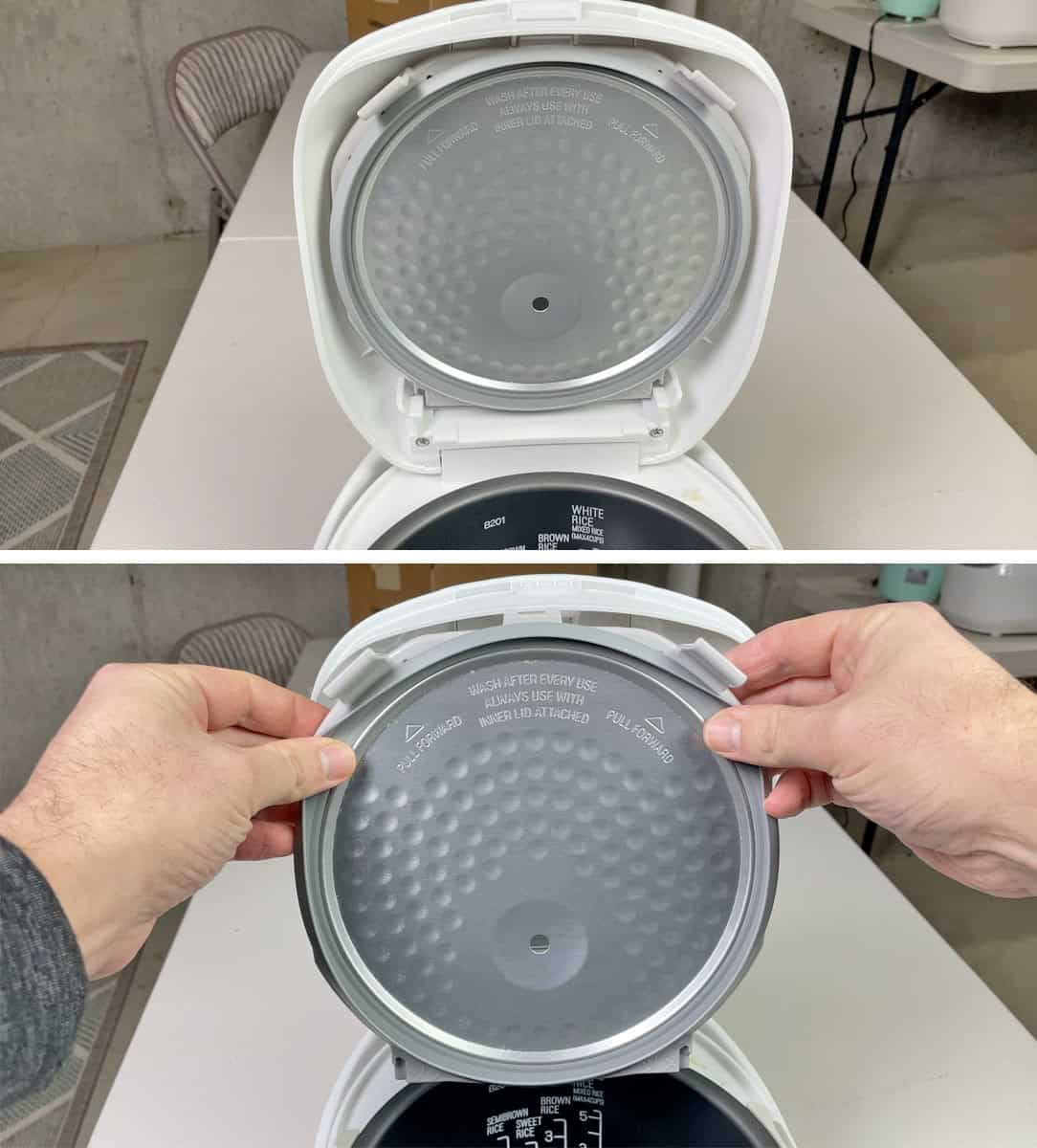
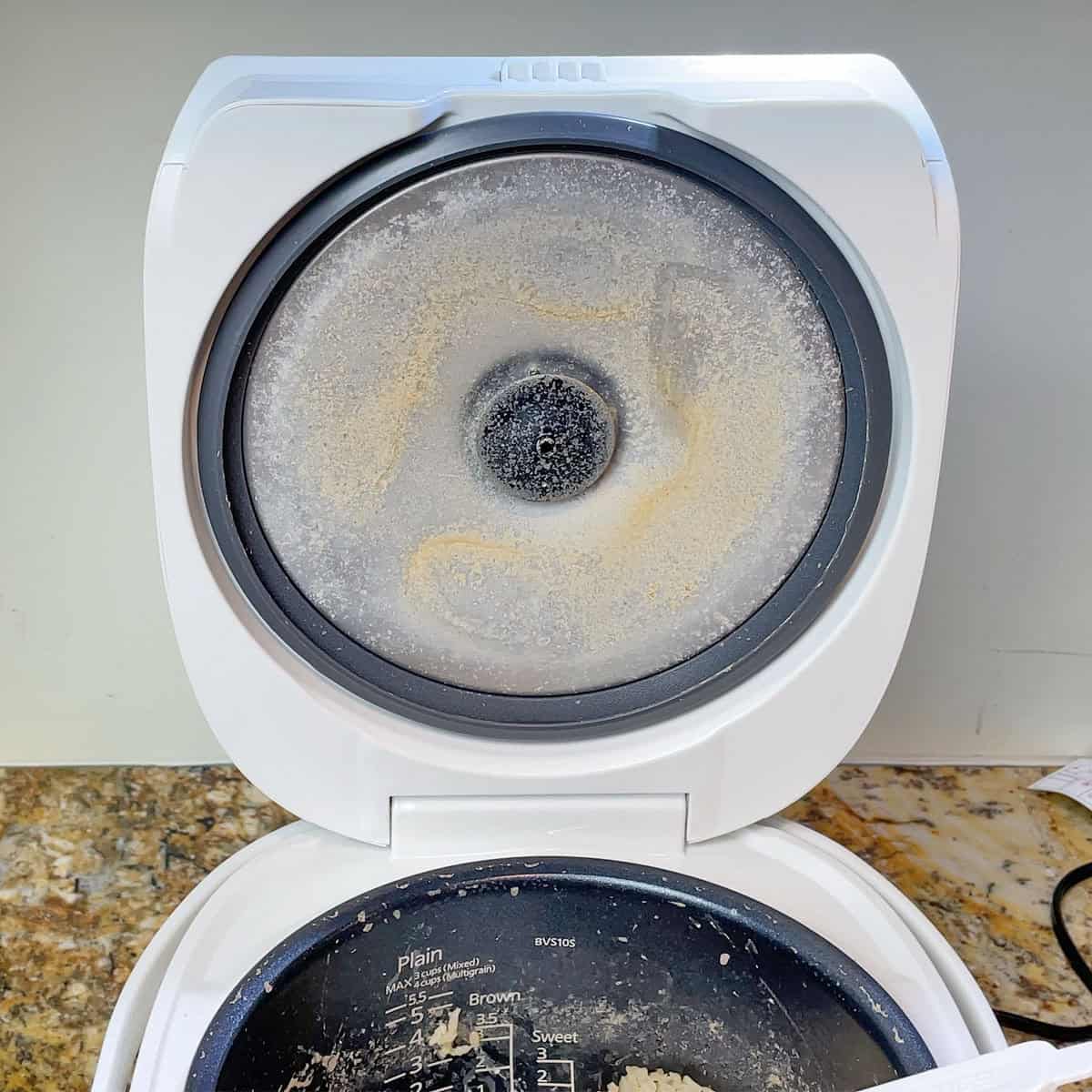
With the Tiger, you have to wipe down the inner lid with a wet cloth after each use. There’s a small black steam cap in the center that does come off, but the main inner lid stays attached. This makes cleaning more tedious, and over time, starch buildup becomes harder to remove.
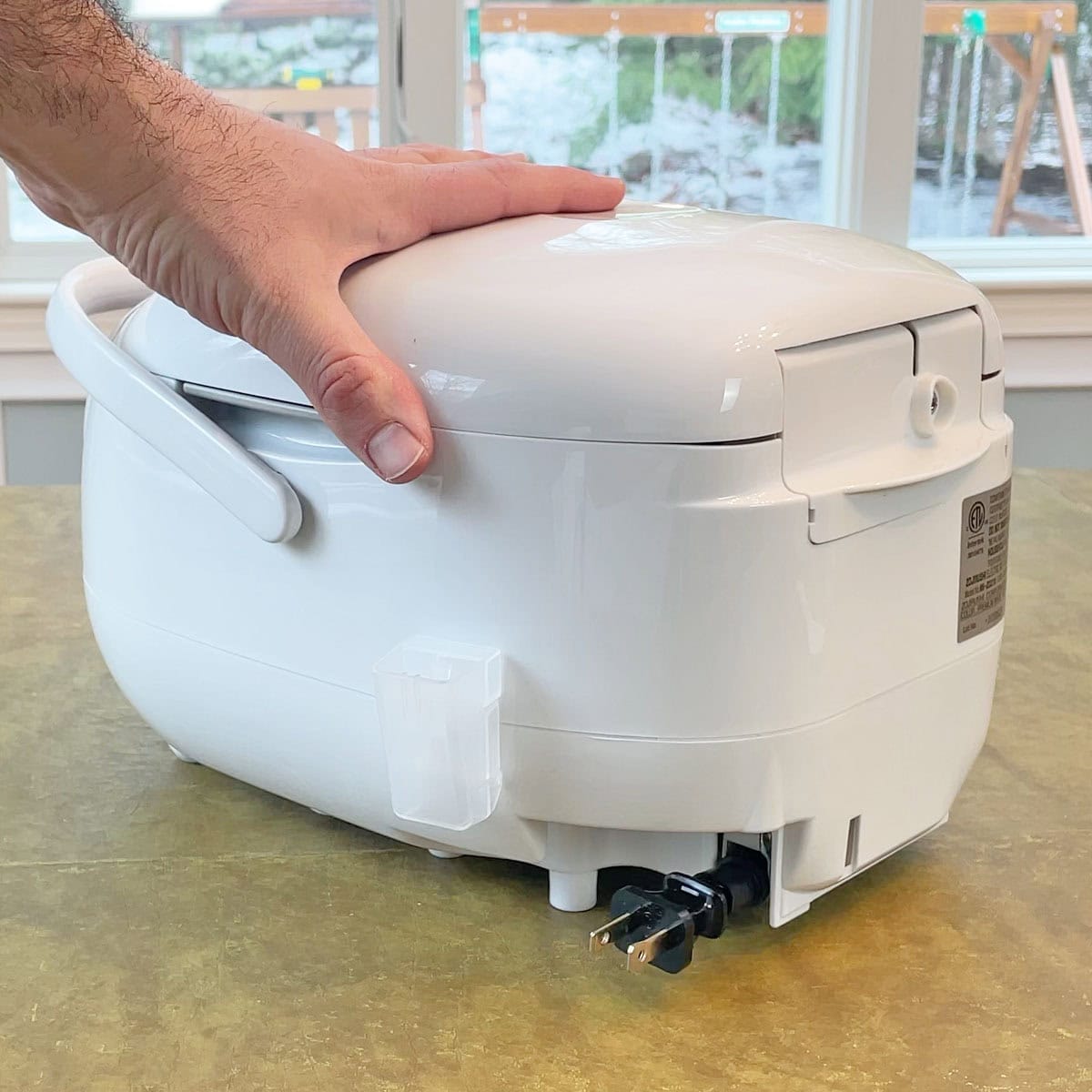
The cord situation also favors Zojirushi. It includes a retractable power cord that’s 50.5 inches long, giving you flexibility in where you place the cooker. Tiger’s cord is fixed at 32.5 inches, which limits your placement options and leaves excess cord on your counter.
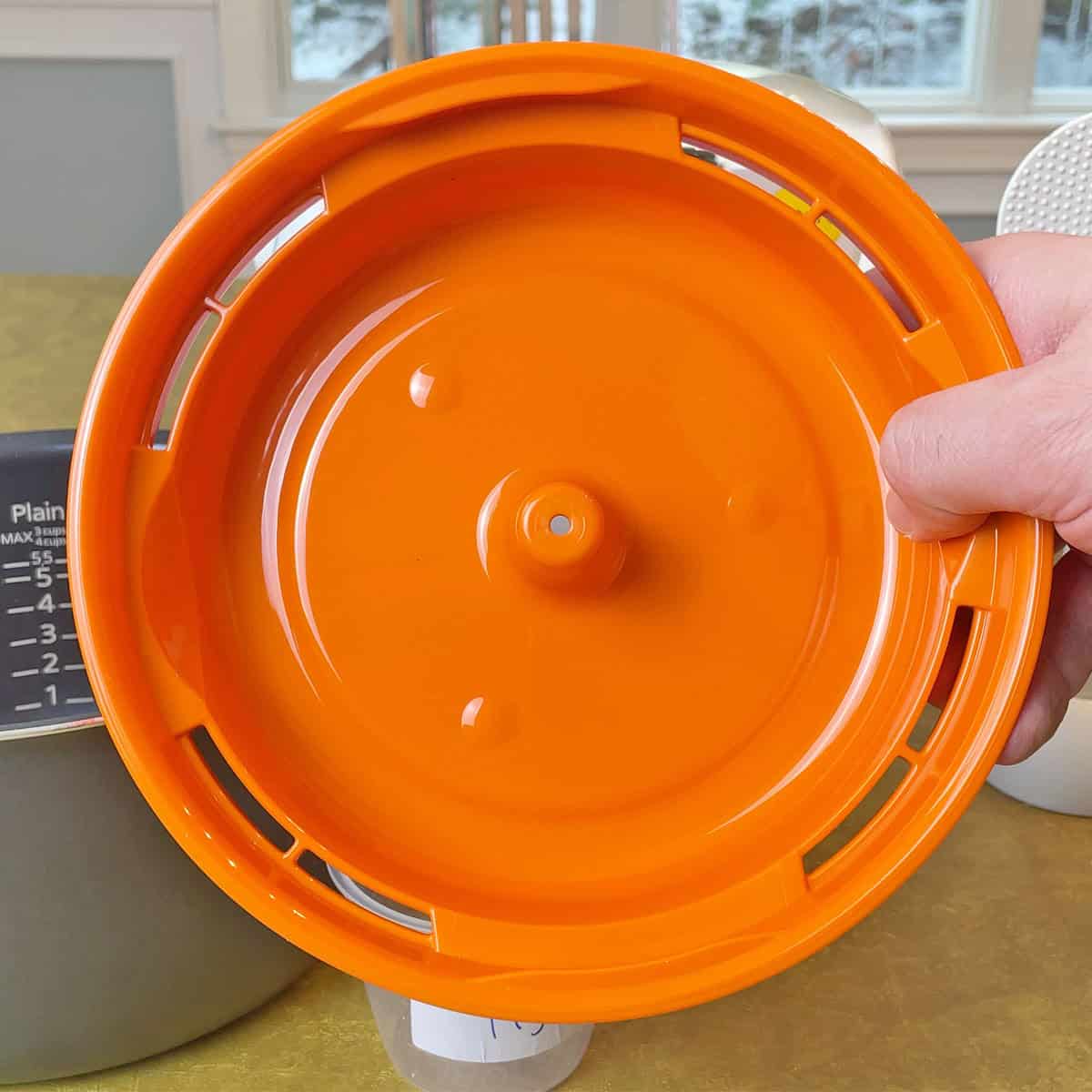
Tiger does include one unique accessory: a special orange cooking plate you can use to steam vegetables or slow-cook meats. They call it the “Tacook cooking plate”. It’s a nice bonus, though I don’t use it often.
Both cookers use physical buttons instead of touchscreens, which I prefer for reliability. Touchscreens can require multiple presses to register, like I experienced with the Cuckoo. The buttons on both models are responsive and easy to press.
Performance
Both rice cookers use fuzzy logic technology, which is designed to automatically adjust cooking time and temperature based on how much rice you’re making and the moisture in the pot. The goal is consistent results no matter the batch size.
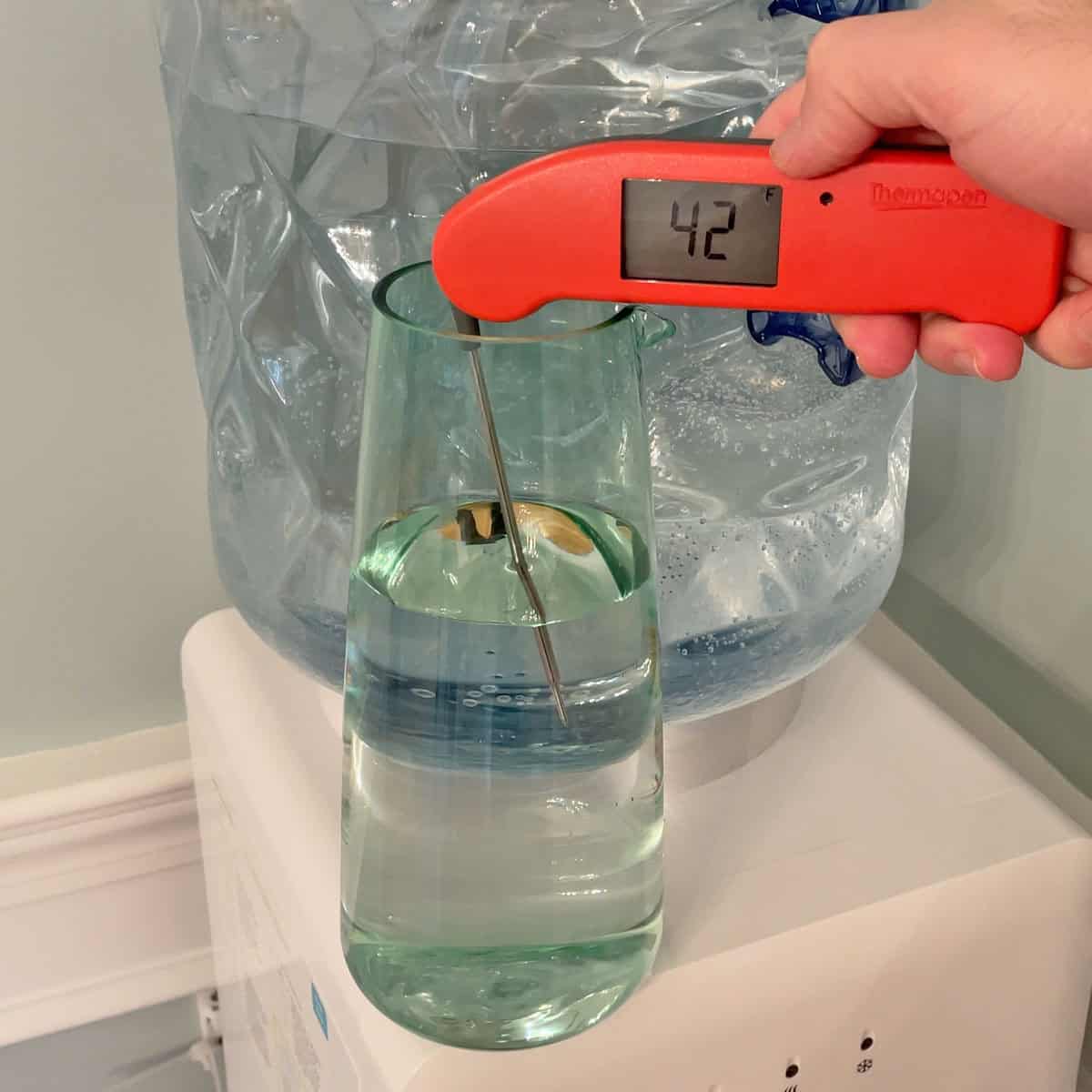
I put this to the test by cooking multiple batches of white rice in each cooker at different quantities: one cup, three cups, and five cups. I also tested brown rice, sushi rice, and quick cook mode. For every test, I used the same bottled water chilled to 42 degrees, rinsed the rice for two minutes, and followed each brand’s recommended water ratios. Beyond these controlled tests, I’ve been using both rice cookers weekly for almost a year to see how they hold up over time.
White Rice: Both cookers produce excellent white rice in medium and large batches. Zojirushi’s three-cup and five-cup batches came out with perfect texture, good chew, clear grain separation, and the right amount of stickiness.
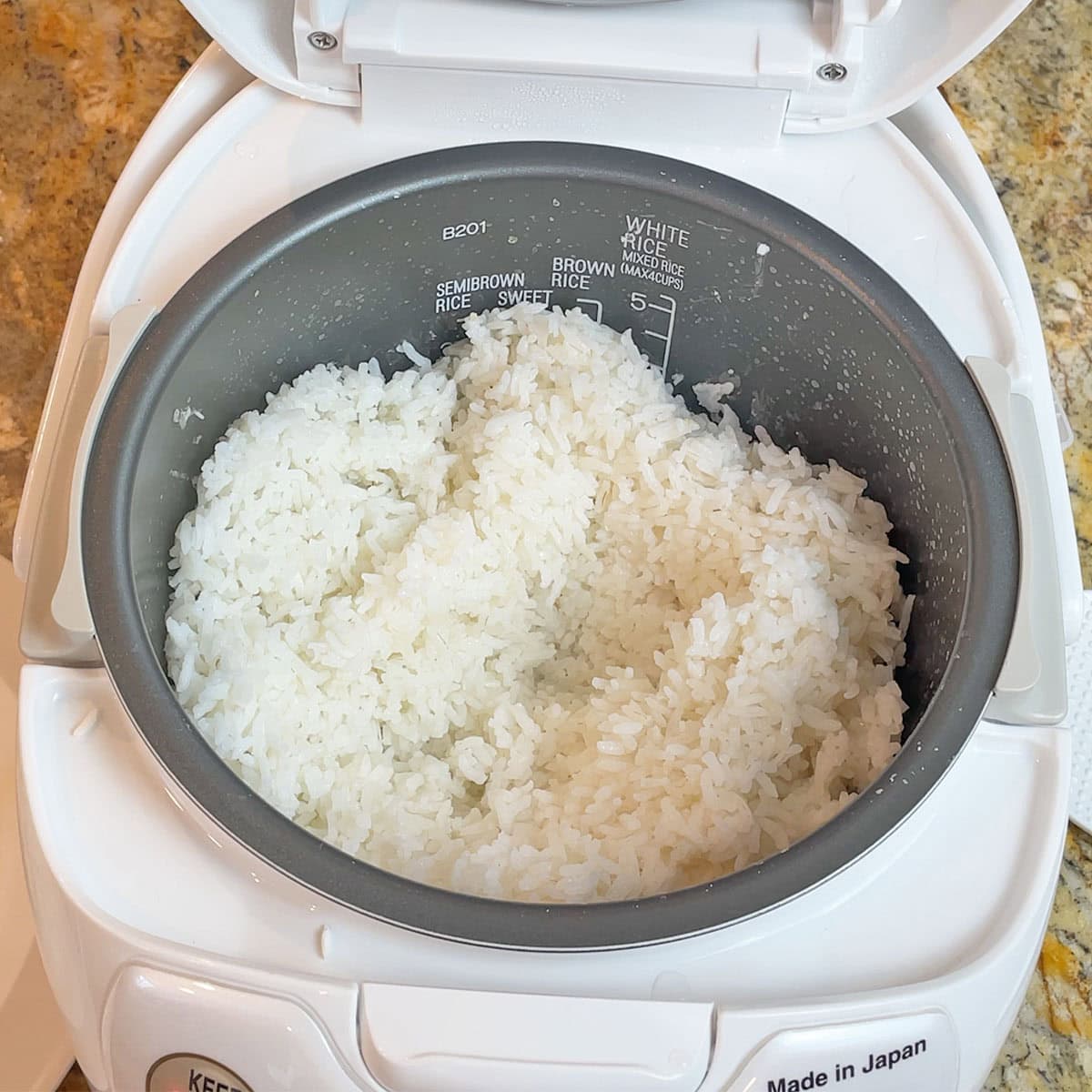
The one-cup batch was slightly softer than the larger ones, but still very good.
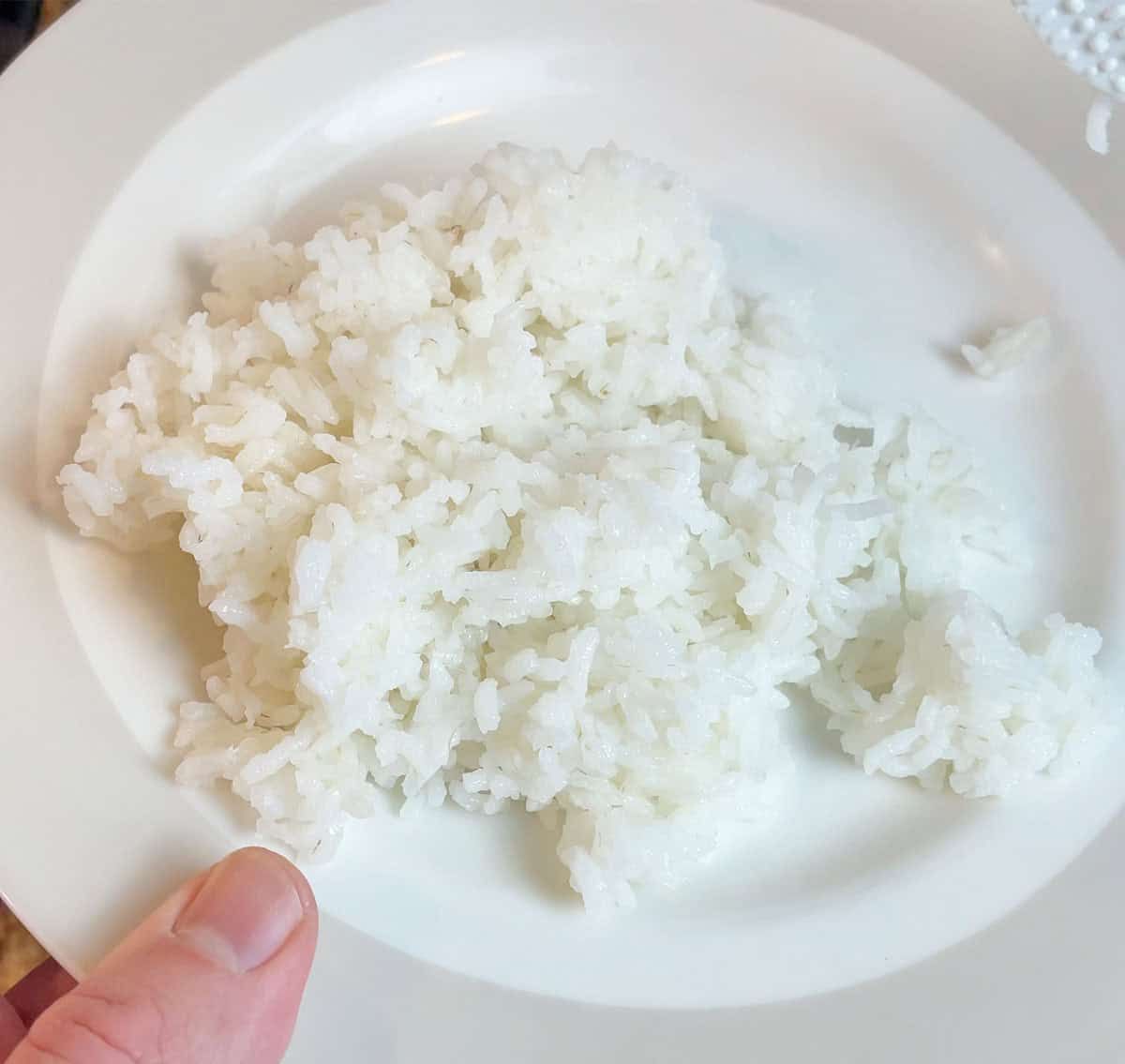
Tiger delivered nearly identical results for medium and large batches with great texture and no burning on the bottom. However, Tiger struggled with the one-cup batch. A thin starchy film formed on the bottom where some grains lightly fused together.
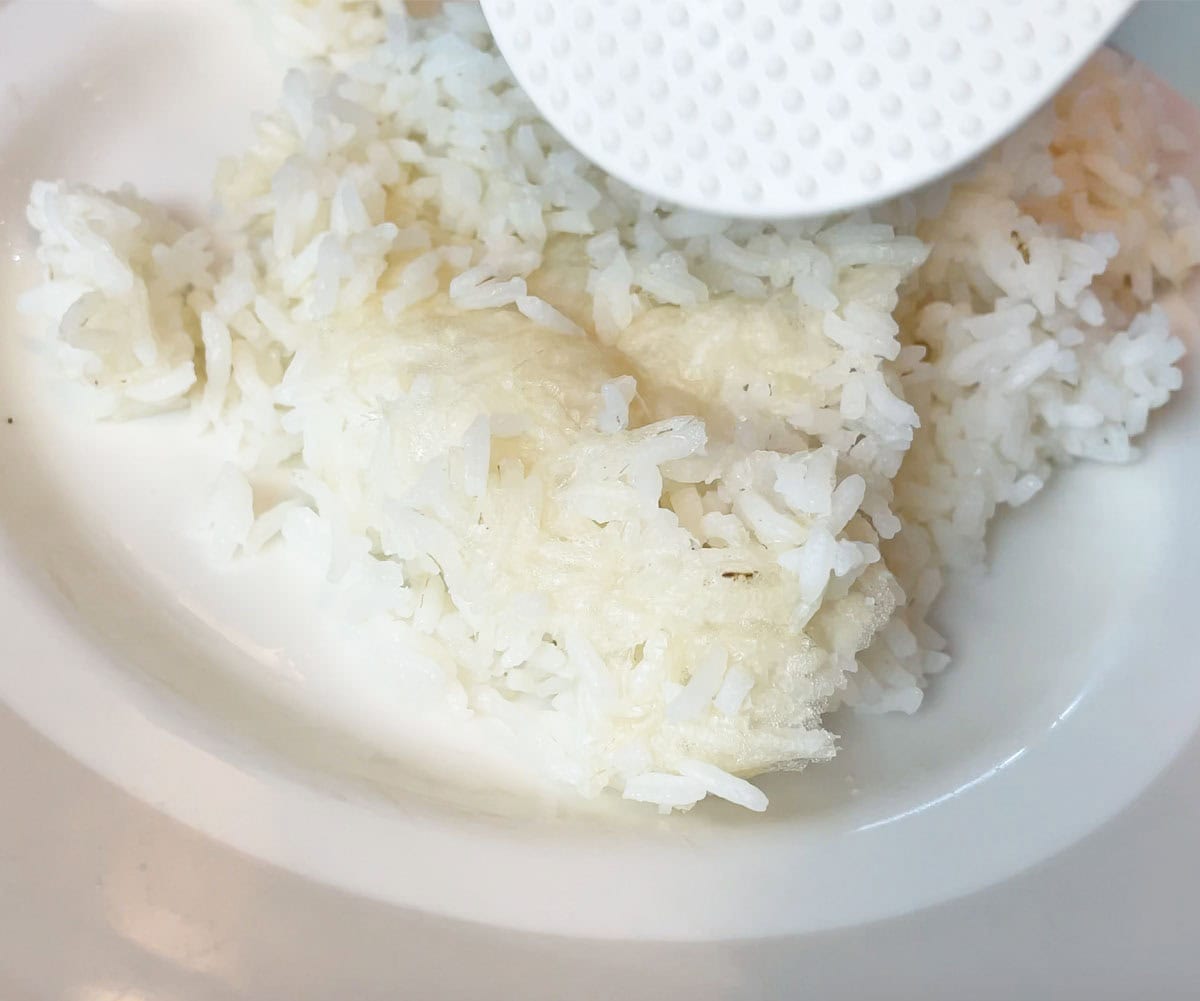
The rest of the rice was cooked well, but that bottom layer was a noticeable issue. Zojirushi took 53 minutes to cook three cups of white rice. Tiger finished in 44 minutes.
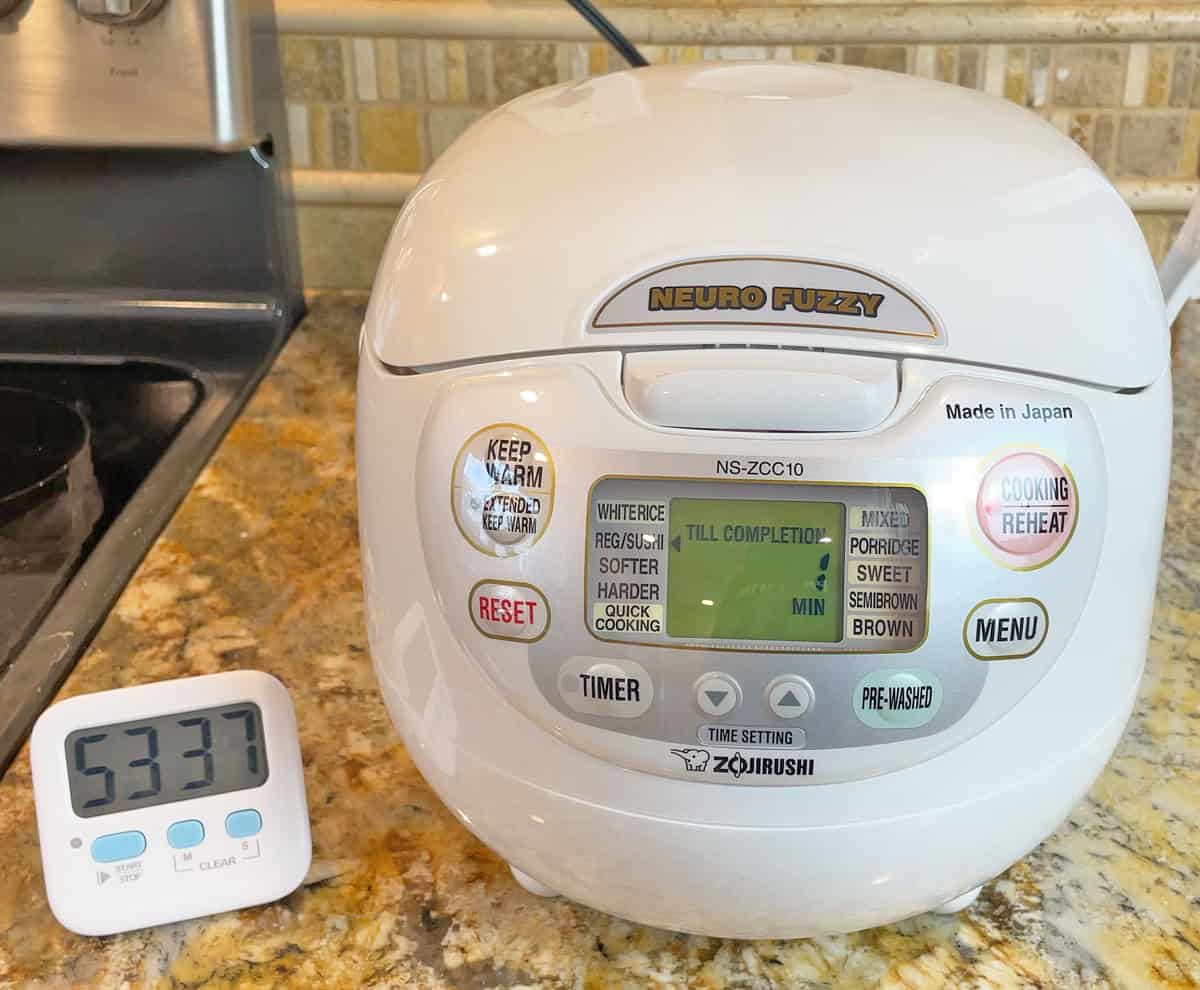
Brown Rice: Tiger’s brown rice came out light and fluffy with great texture and a good bite. The grains stayed separate and had excellent chew.
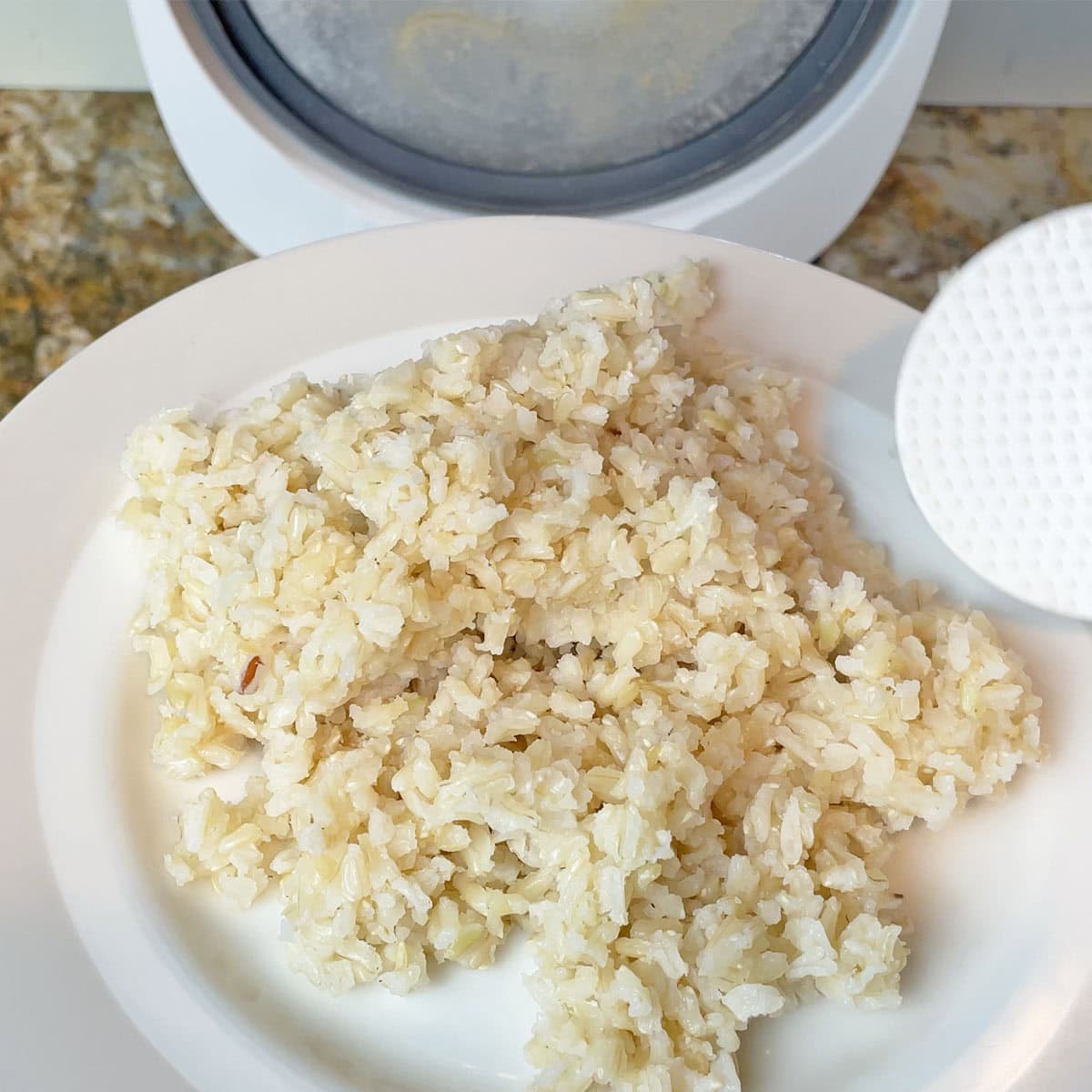
Zojirushi’s brown rice was softer, clumpier, and mushier than I prefer. If you cook brown rice regularly, Tiger handles it better. The cook time difference here is dramatic. Tiger finished brown rice in 63 minutes. Zojirushi took over an hour and 40 minutes – nearly twice as long.
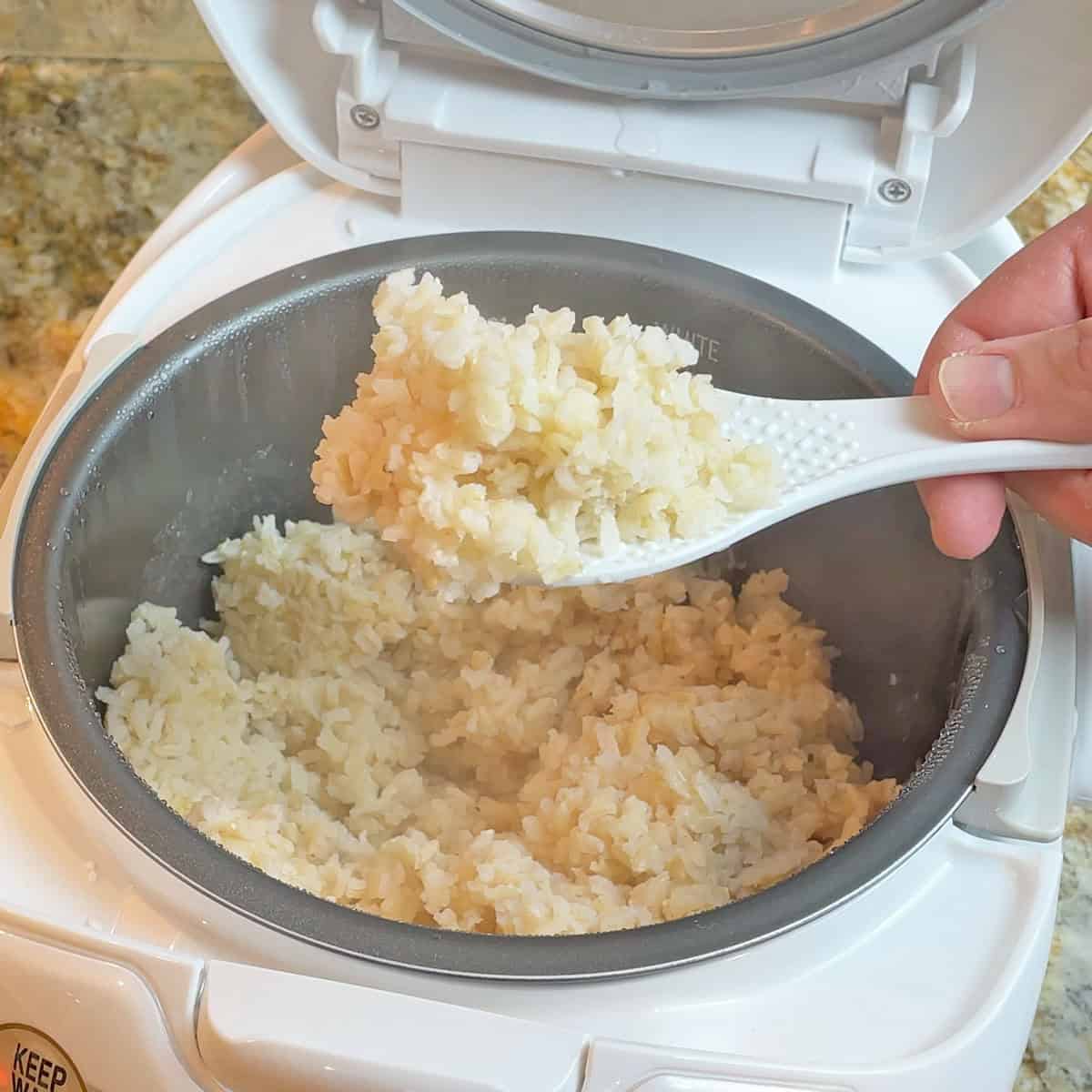
Sushi Rice: Zojirushi produced excellent medium grain sushi rice with perfectly sticky texture that didn’t turn mushy.
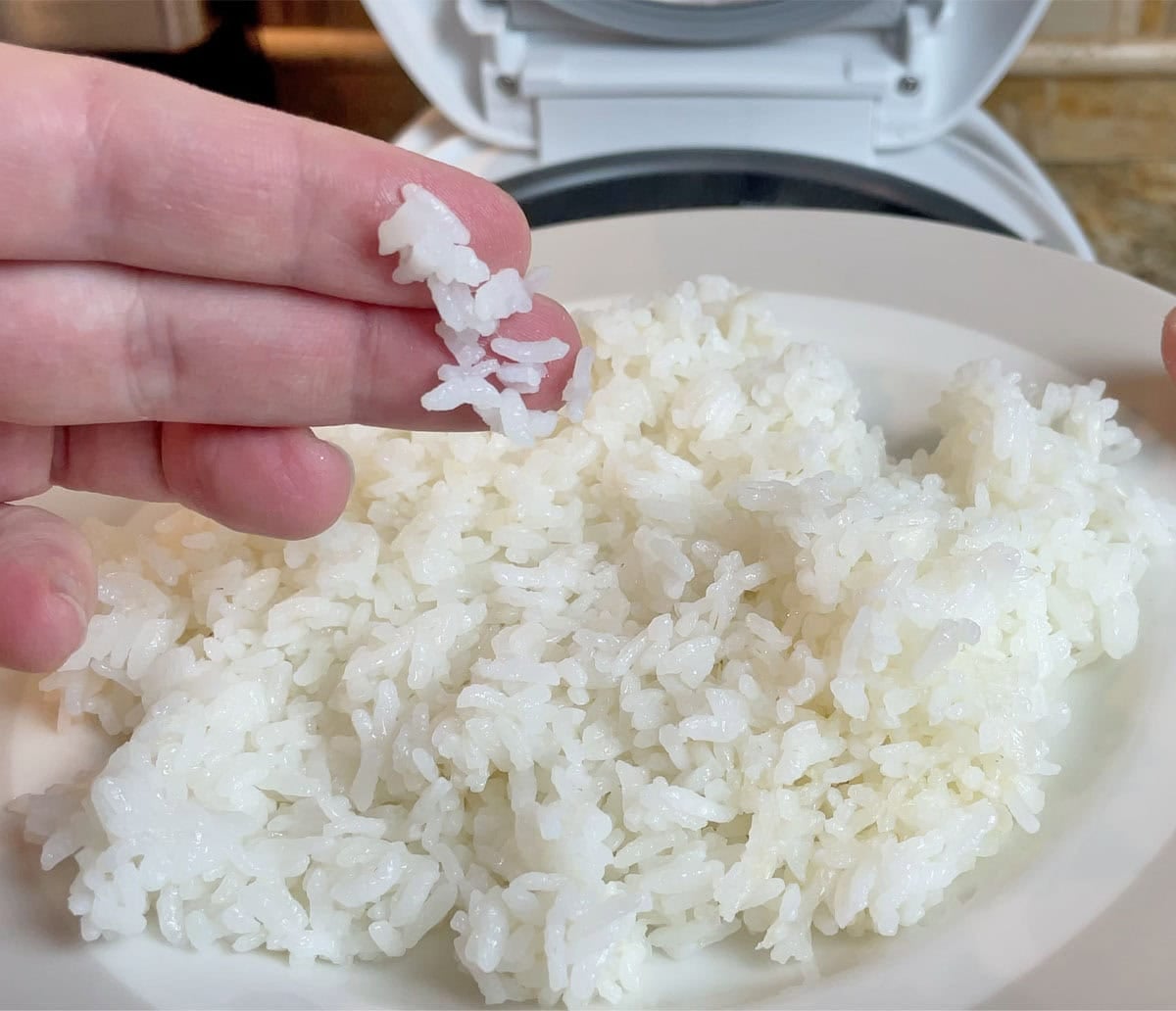
Tiger’s sushi rice also had good texture and stickiness with only a minor film on the bottom. Both performed well here, though Zojirushi had a slight edge in consistency.
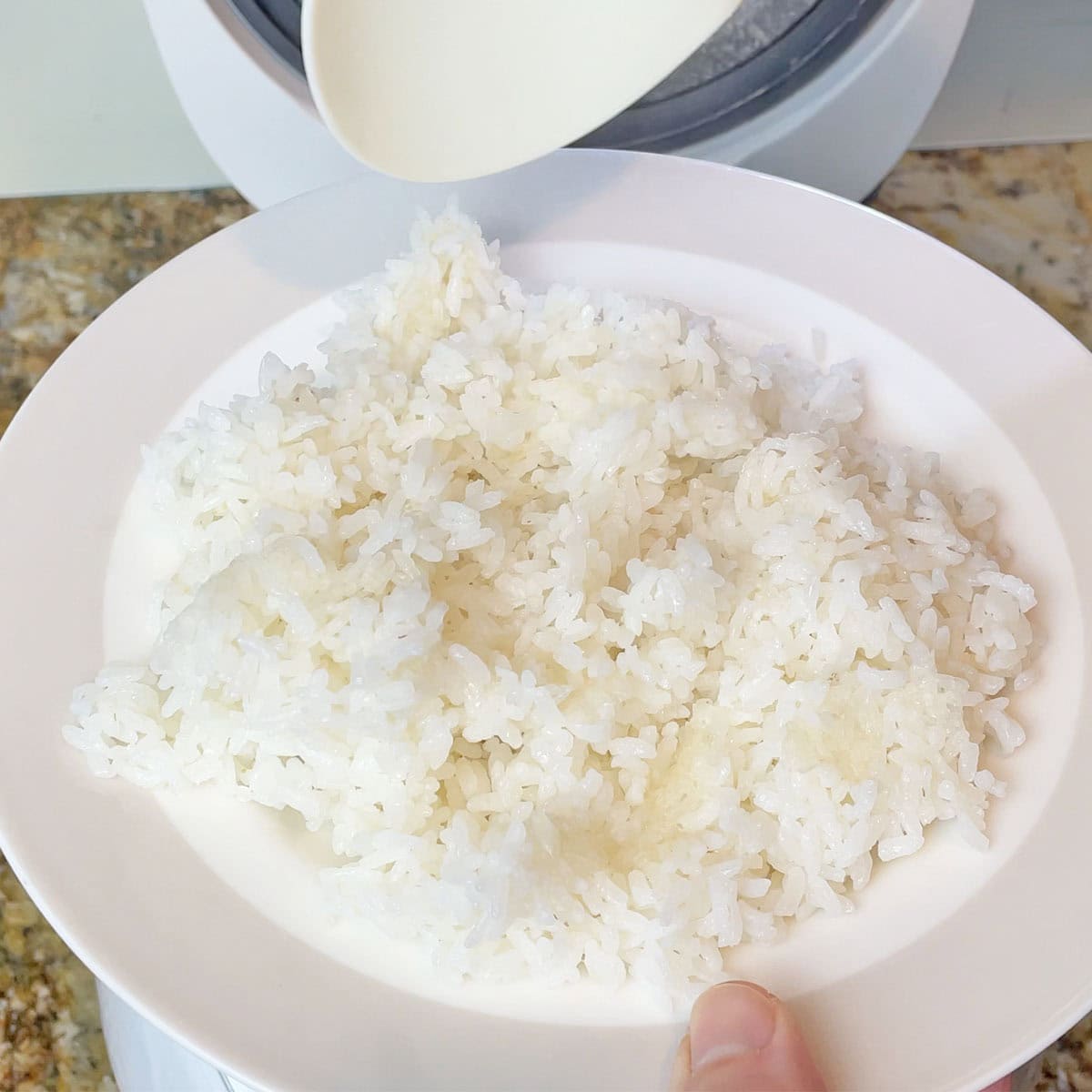
Quick Cook Mode: Both rice cookers saved significant time in quick mode. Tiger saved 16 minutes when I cooked three cups of white rice, dropping from 44 minutes down to 28 minutes. That’s the best time savings I saw in any rice cooker. Zojirushi saved 14 minutes, going from 53 down to 39 minutes. The texture was nearly identical to regular mode for both cookers.
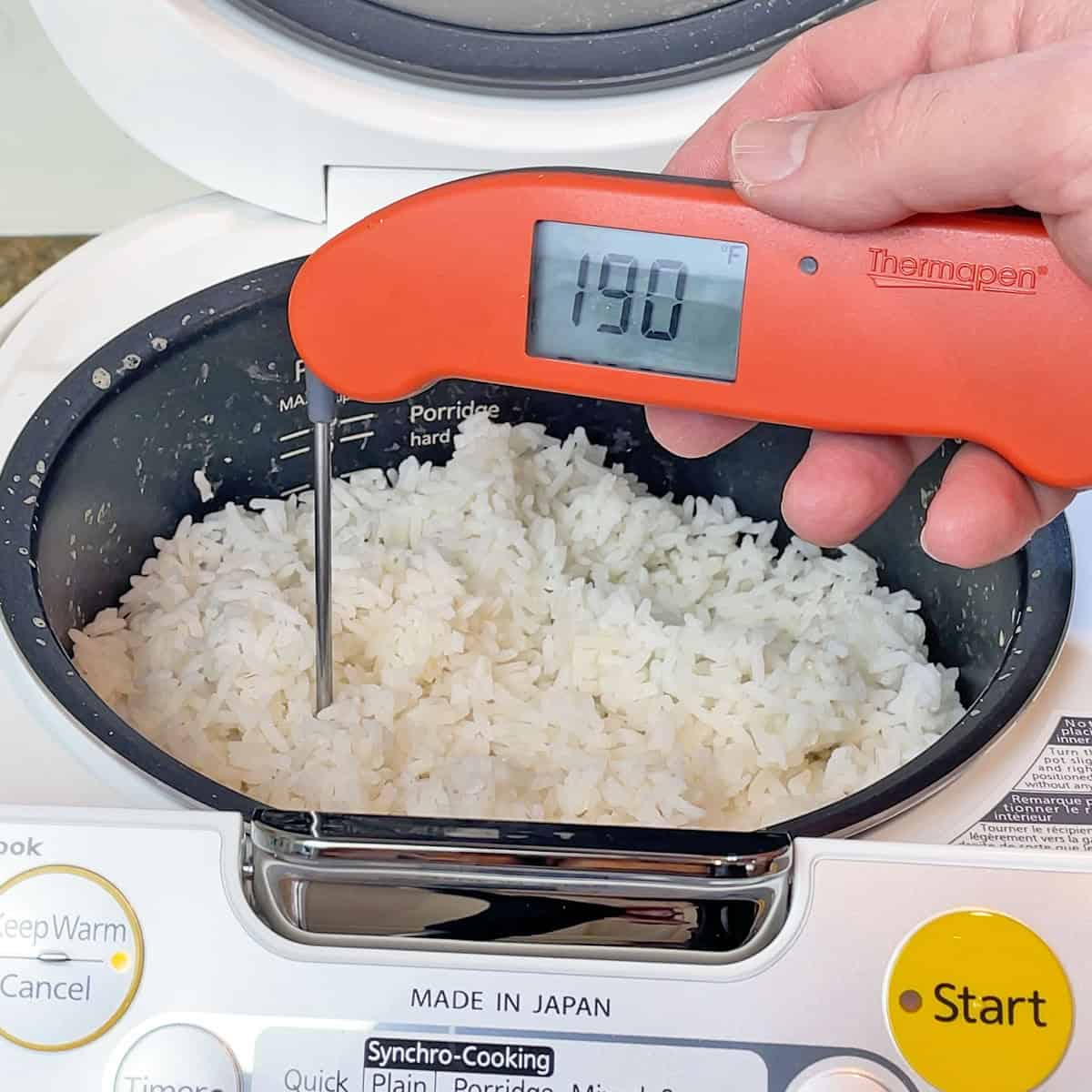
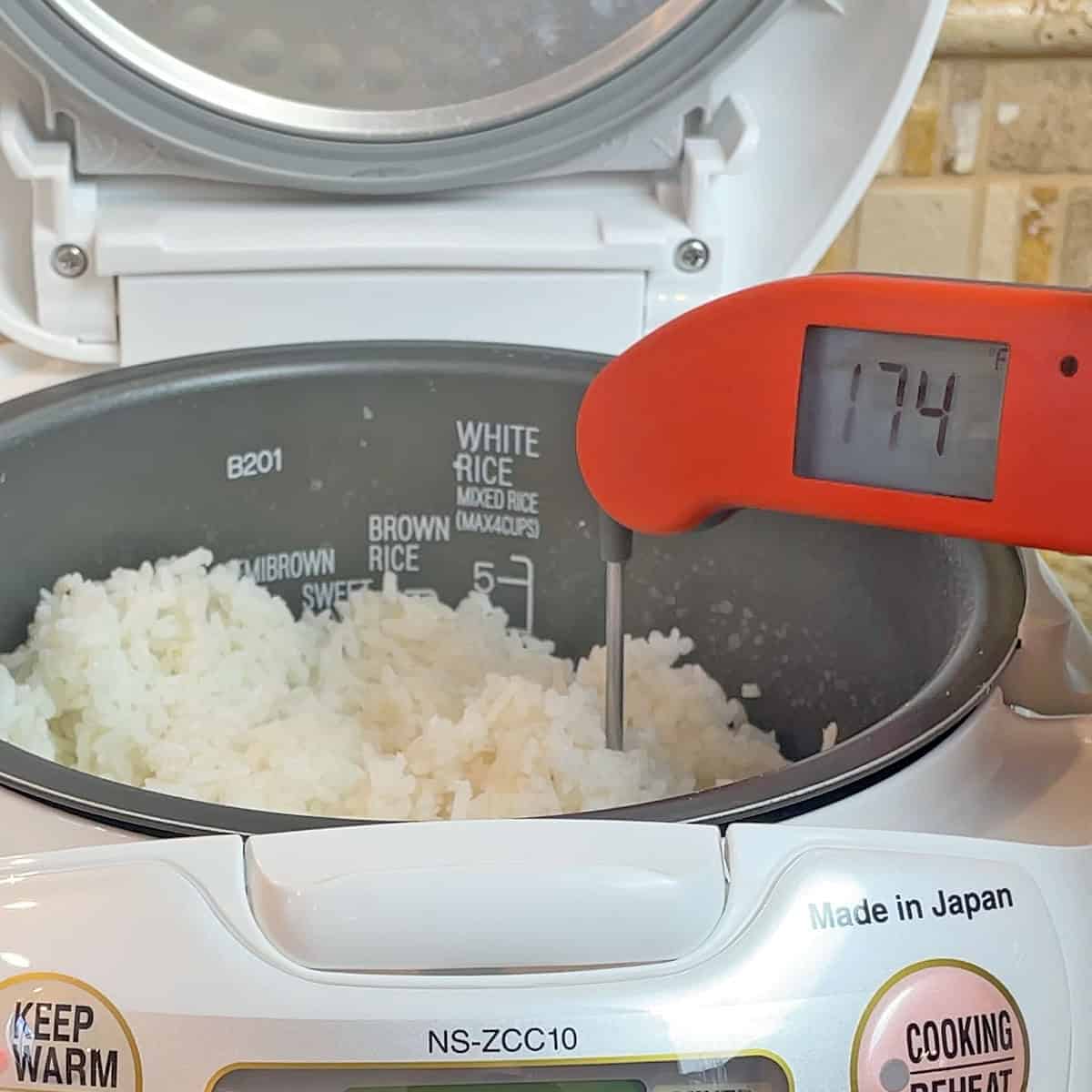
Keep Warm Function: After leaving rice on the keep warm setting for three hours, Tiger held the rice at 190°F and Zojirushi at 174°F. Both maintained good texture without drying out or turning mushy.
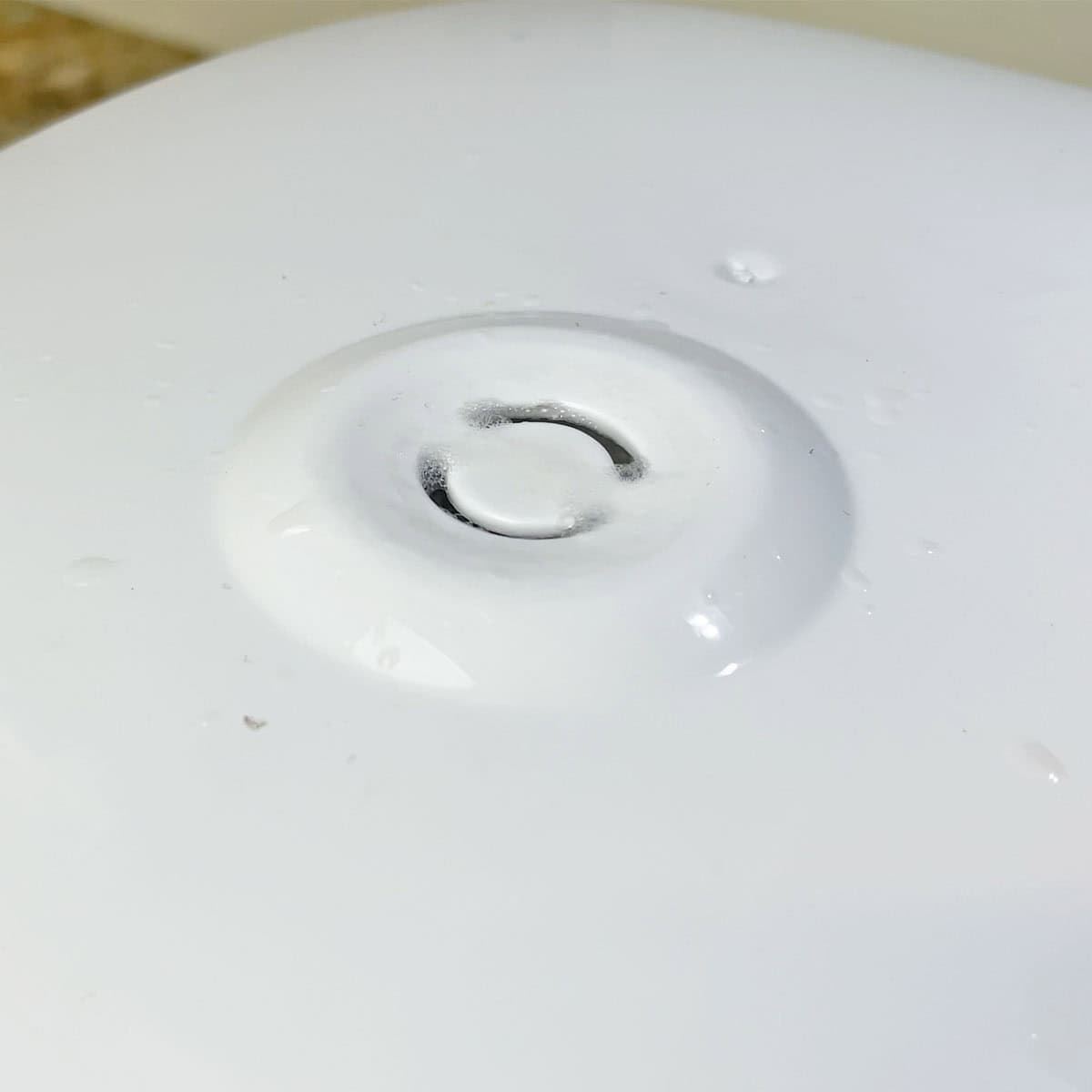
Noise and Mess: Neither cooker makes much noise during cooking. Zojirushi plays a pleasant little tune when you start and finish a batch instead of a standard beep. The Zojirushi didn’t bubble up or make a mess around the vent. The Tiger’s vent does spit up a little at certain points during cooking. It’s not a huge mess, but you do need to wipe the top after each use.
Bottom Line: Should You Buy Zojirushi or Tiger?
Both are excellent rice cookers that will serve you well, but they excel in different areas.
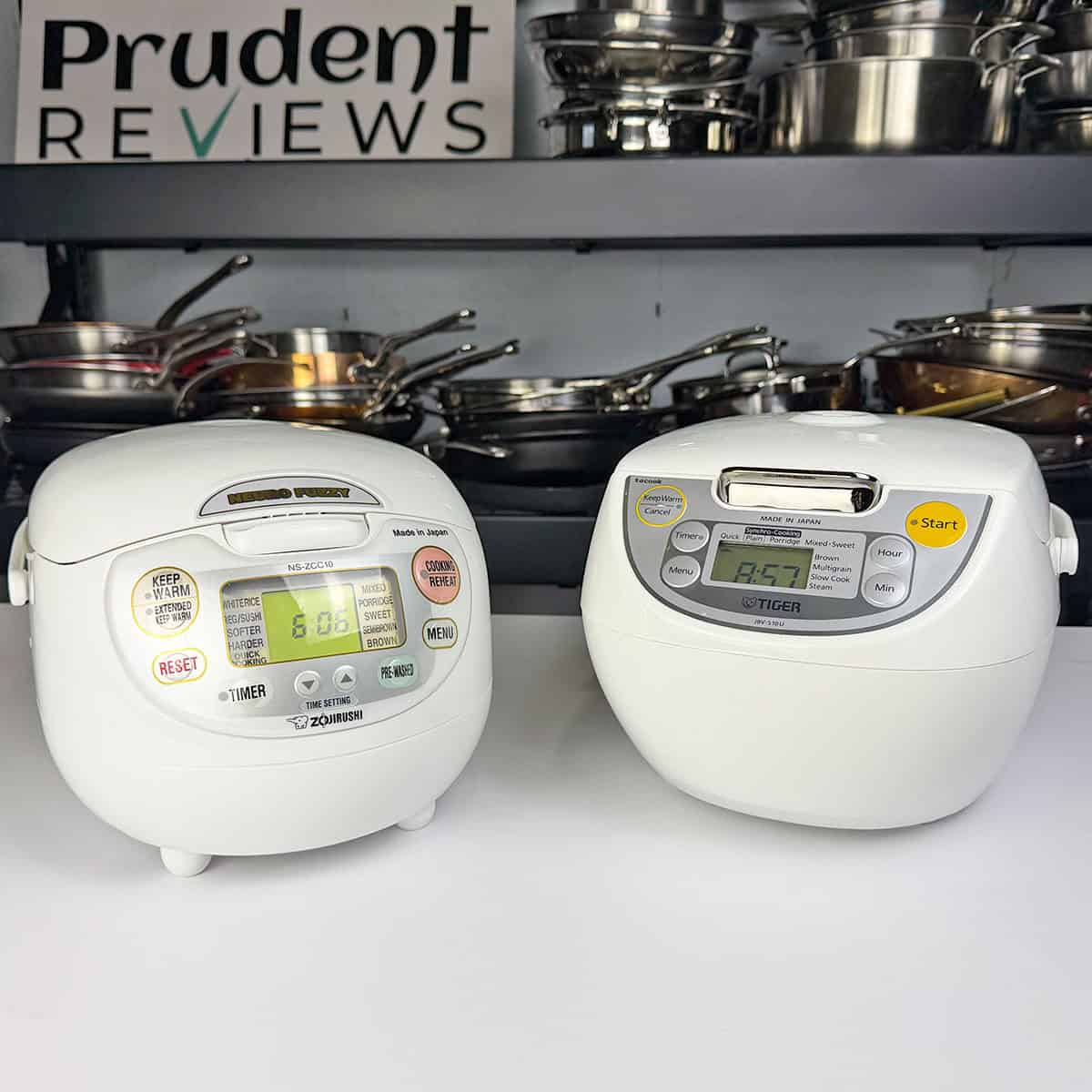
Zojirushi wins on features and convenience. The removable inner lid makes cleaning straightforward, the retractable 50-inch cord gives you flexibility in placement, the heat-resistant pot handles let you lift the pot while it’s hot, and the smooth lid operation won’t jolt your counter or smack your cabinets.
Tiger wins on value, speed, and brown rice performance. It costs significantly less than Zojirushi while delivering excellent white rice and genuinely better brown rice with light, fluffy grains. It’s also significantly faster, finishing white rice in 44 minutes compared to 53, and brown rice in 63 minutes compared to 103. The quick cook mode saves 16 minutes, making it one of the fastest rice cookers I tested.
However, Tiger’s non-removable inner lid is a major drawback. Out of the 8 rice cookers I tested, it was the only one where you can’t pop the inner lid off and rinse it in the sink. You have to wipe it down with a cloth after every use, which gets tedious.
If you cook rice multiple times per week and want easy maintenance, it’s worth spending the extra money on Zojirushi. Both brands offer multiple rice cooker models on Amazon with different capacities and price points. You can check out the Zojirushi NS-ZCC10 and Tiger JBV-S10U I compared here, or browse the full Zojirushi rice cooker lineup and Tiger’s full selection to find the model that fits your needs and budget.
Related Topics
- Zojirushi vs Cuckoo: Which Rice Cooker Is Better? (Test Results)
- Zojirushi Rice Cooker Review: Is It Worth the High Price?
- How Long Does Rice Take in a Rice Cooker? (With 5 Examples)
- Ninja vs. Instant Pot vs. Cosori vs. Typhur vs. Chefman (Best Air Fryer?)
- 5 Types of Air Fryers: A Guide to Help You Choose
- I Tested T-fal Infrared Air Fryers: Are They Actually Better?
- Air Fryer vs. Convection Toaster Oven: Cooking Test Results Revealed
- 19 Pros and Cons of Air Fryers: Are They Worth It?
- Ninja Crispi Review: Pros & Cons You Must Know Before Buying
