


Is the Horl 3 actually worth buying, or is it another expensive knife sharpener that looks better than it performs?
For this review, I dulled three different knives, measured their sharpness before and after using a BESS tester, and compared the results to five other sharpener types.
The results were not what I expected. The Horl 3 was clean, quiet, and easy to use, but it also struggled in ways that surprised me, especially considering the price.
Key Takeaways
The Horl 3 was one of the easiest sharpeners to use, but the results were mixed. It barely improved the cheap chef’s knife, taking it from 535 to 508 on the BESS scale after more than six minutes. But it did much better on higher-quality knives.
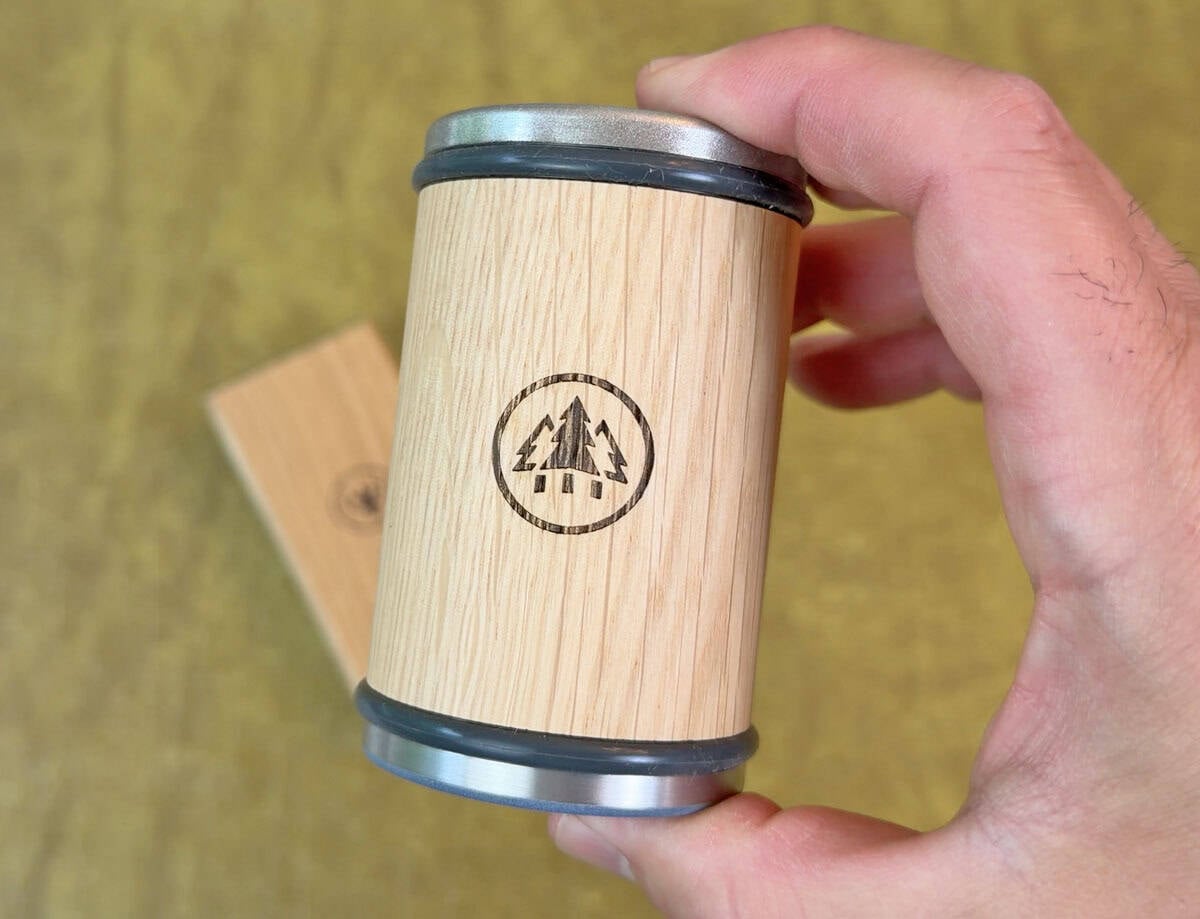
The best result came from the Miyabi Artisan. That knife started at 638 and finished at 163 and 208 in two separate BESS readings. Lower BESS scores are sharper, and anything around 200 is very sharp for a kitchen knife.
The Horl 3 is quiet, clean, compact, and easy to use on a kitchen counter. It also still has the smooth rolling feel that made the Horl 2 stand out against Tumbler and Work Sharp when I tested those three side by side.
The biggest downsides are speed, knife compatibility, and the new disc attachment. The Horl 3 can take a while on dull knives, it’s not ideal for every blade shape, and I don’t love the quick-twist disc connection. It makes discs easier to swap than the screw-on design from the Horl 2, but the disc popped off a few times during my testing.
Bottom line, the Horl 3 is worth considering if you want a quiet, low-mess sharpener for maintaining decent kitchen knives. But if you need to fix very dull knives quickly, I’d rather use an electric sharpener or whetstones.
You can check the current price of the Horl 3 on Horl.com. Horl is also available on Amazon.
Use the links below to navigate the review:
- How the Horl 3 Works
- How I Tested It
- Sharpness Test Results
- Cutting Test Results
- Ease of Use
- Noise and Cleanup
- Angle and Grit Options
- Disc Attachment
- Blade Shape Limitations
- Safety
- Horl vs. Other Rolling Sharpeners
- Bottom Line: Is Horl 3 Worth Buying?
How the Horl 3 Works
The Horl 3 has two main parts: the rolling sharpener and the magnetic angle support.
The angle support holds the knife at either 15 or 20 degrees. I’d use 15 degrees for thinner Japanese-style knives and 20 degrees for most Western-style chef’s knives.

Once the knife is attached to the magnet, you roll the sharpener back and forth along the cutting edge. The diamond disc sharpens the edge first. Then you flip the roller and use the ceramic disc to refine it.
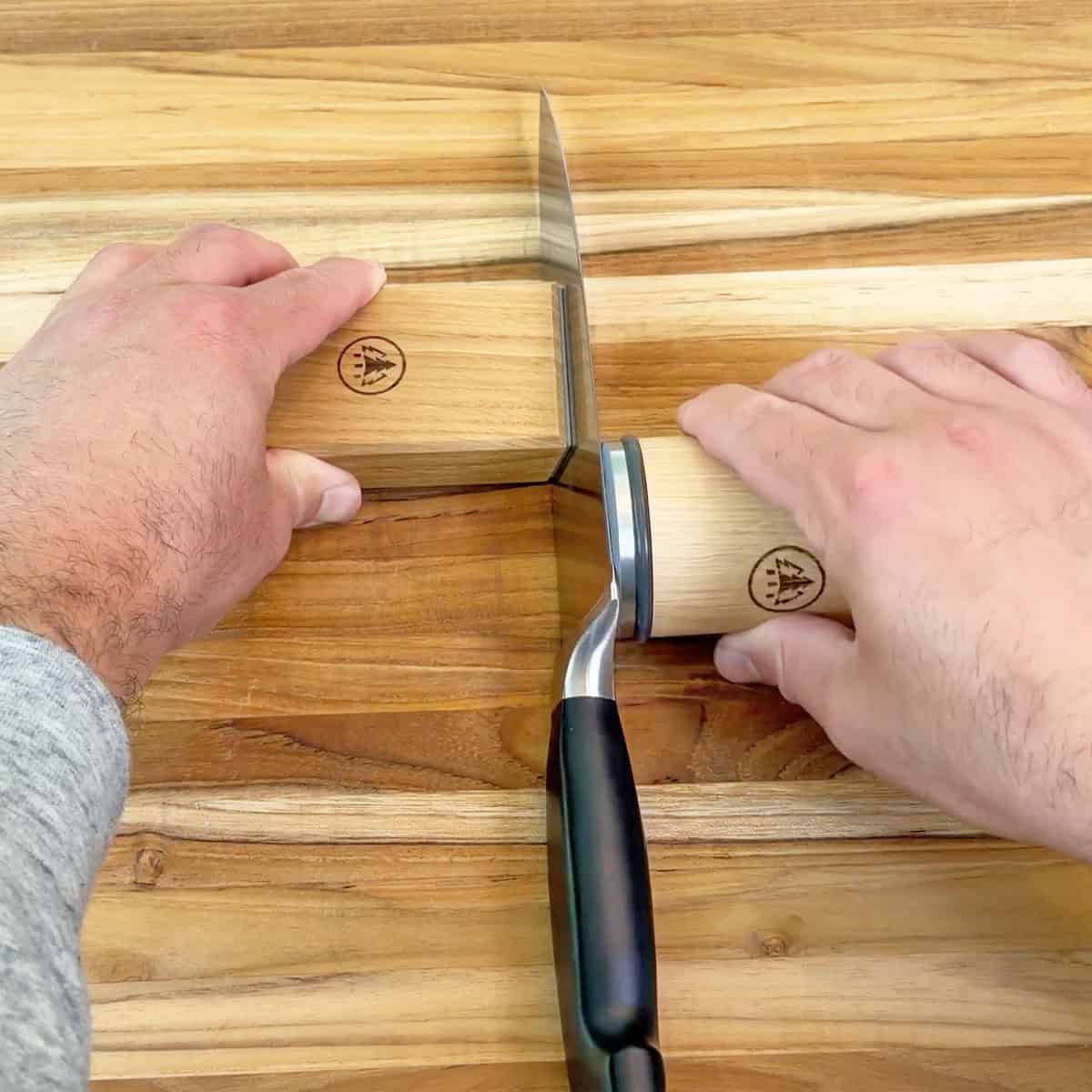
The main advantage is that the angle support handles the hardest part of sharpening. You don’t have to hold a consistent angle by hand like you do with a whetstone.
It also keeps the edge visible the entire time. That’s a big difference from electric pull-through sharpeners, where the blade disappears into the slot while the abrasive wheels are spinning.
How I Tested It
I used the Horl 3 on three knives: a cheap Chef Craft Select chef’s knife, the Zwilling Four Star 8-inch chef’s knife, and the Miyabi Artisan 8-inch chef’s knife.
I picked those knives for a reason. The Chef Craft is a low-cost knife with unknown steel. The Zwilling is a softer Western-style knife with a Rockwell hardness of 55 to 58. The Miyabi is a harder Japanese-style knife with a Rockwell hardness of 63.
Before sharpening, I dulled each edge on a steel cutting board. Then I measured sharpness with a BESS Certified Sharpness Tester.

The BESS tester measures how much pressure it takes for the blade to cut through a thin test wire. Lower numbers are sharper. Anything over 400 still needs work. Around 300 is sharp. Around 200 is very sharp for a kitchen knife.
After taking the starting measurements, I sharpened each knife with the Horl 3, measured the edge again, and tested each knife on paper, tomatoes, and peppers.
I also paid attention to how long sharpening took, how loud it was, how much cleanup it created, and how well the design worked with different blade shapes.
Sharpness Test Results
The Horl 3 produced inconsistent results.
| Knife | HRC | Starting Sharpness | Final Sharpness | Time |
|---|---|---|---|---|
| Chef Craft Select chef’s knife | Unknown | 535 BESS | 508 BESS | 6 minutes, 13 seconds |
| Zwilling Four Star | 55 to 58 | 651 BESS | 305 BESS, then 348 BESS | 6 minutes, 33 seconds |
| Miyabi Artisan | 63 | 638 BESS | 163 BESS and 208 BESS | 6 minutes, 6 seconds |
The cheap Chef Craft knife was the weakest result. It started at 535 and finished at 508 after 6 minutes and 13 seconds. That’s barely an improvement.

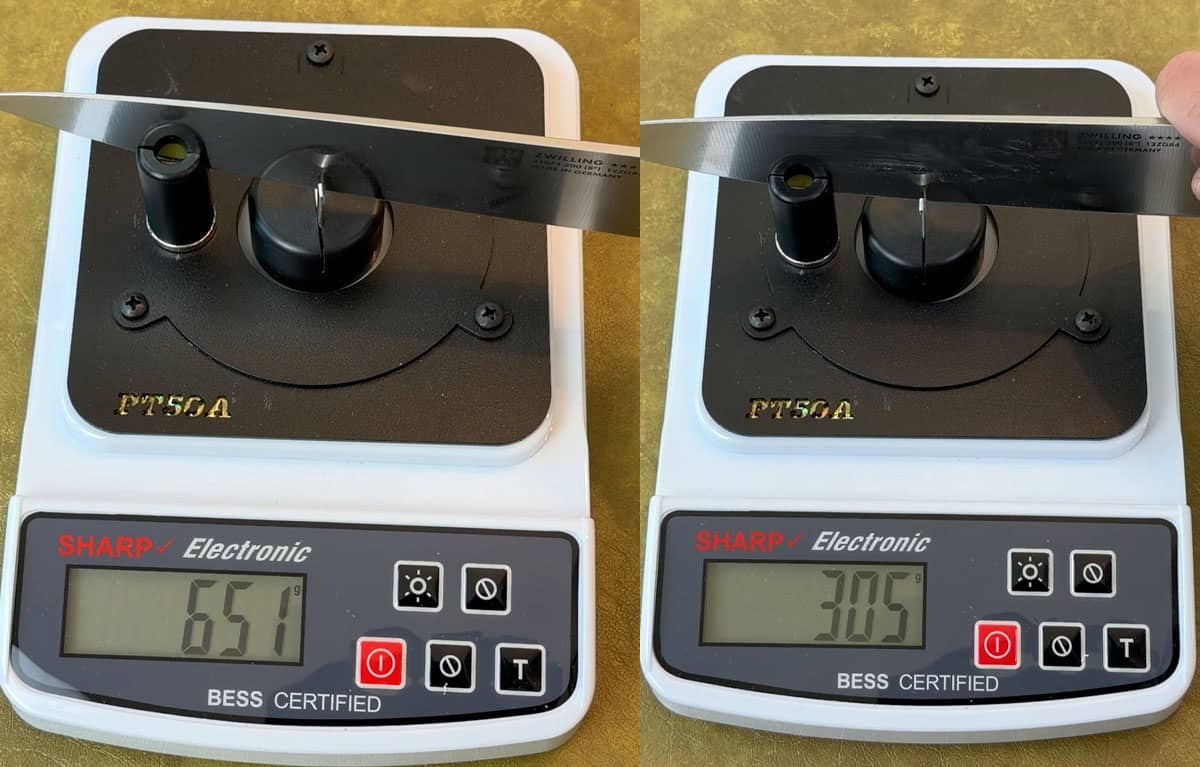
The Zwilling Four Star improved much more. It started at 651 and finished at 305 after 3 minutes and 52 seconds. After more sharpening, the next reading was 348. That’s still much better than where it started, but not as sharp as I expected after more than six minutes of sharpening.
The Miyabi Artisan was the best result. It started at 638 and finished at 163 and 208 in two separate readings. That was one of the better results from any sharpener I tested.
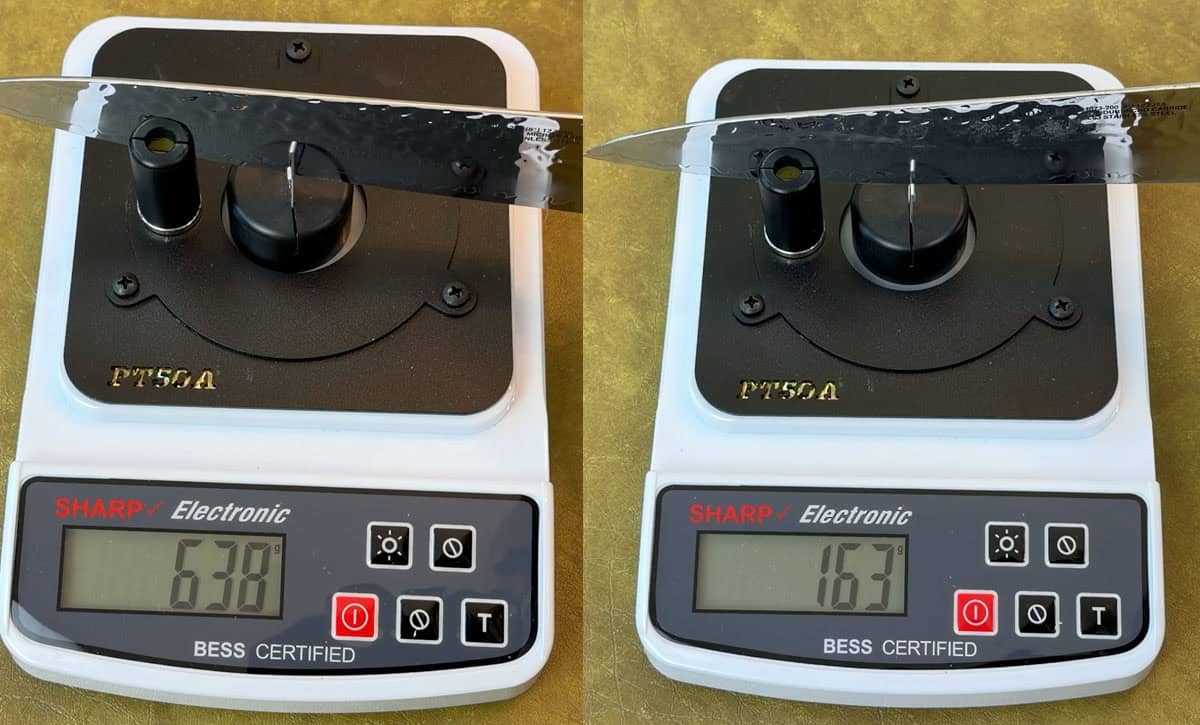
The main takeaway is that the Horl 3 can get a knife very sharp, but it didn’t work equally well on every knife.
Cutting Test Results
The cutting tests were a little more encouraging than the BESS scores on the cheap knife.
The Chef Craft knife failed the paper test, but it passed the tomato and pepper tests. It wasn’t crisp or impressive, but it was usable.
The Zwilling Four Star passed the paper, tomato, and pepper tests. It didn’t feel as clean as the best edges from the Chef’sChoice 15XV or the Shapton whetstones, but it was much better than where it started.
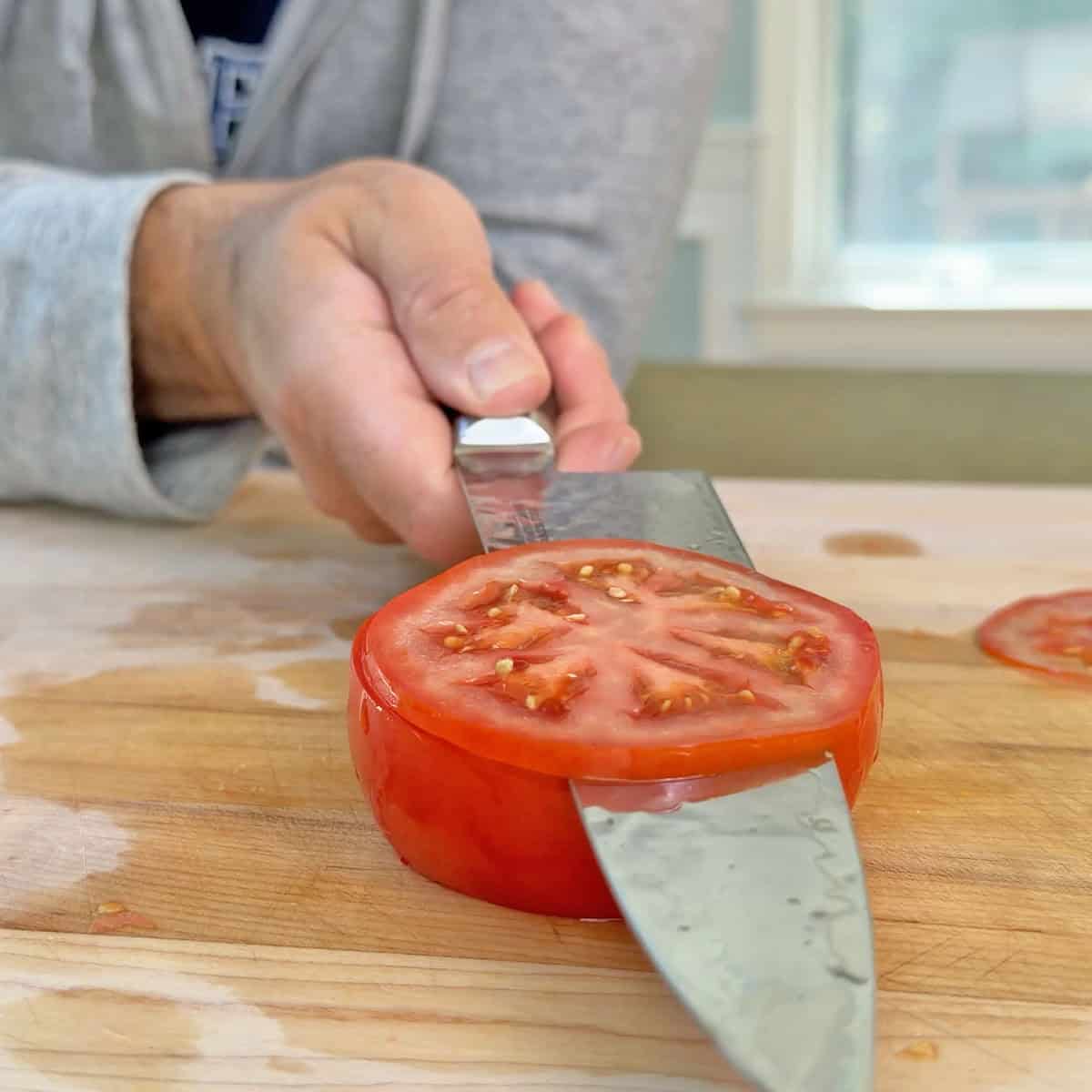
The Miyabi Artisan almost passed the paper test. It cut through about 95% of the paper before the paper ripped. It also passed the tomato and pepper tests.
Ease of Use
The Horl 3 is one of the least intimidating sharpeners I tested. There’s no plug, motor, clamp, water, slurry, belt, or complicated setup. You attach the knife to the magnetic support and roll the sharpener along the edge.
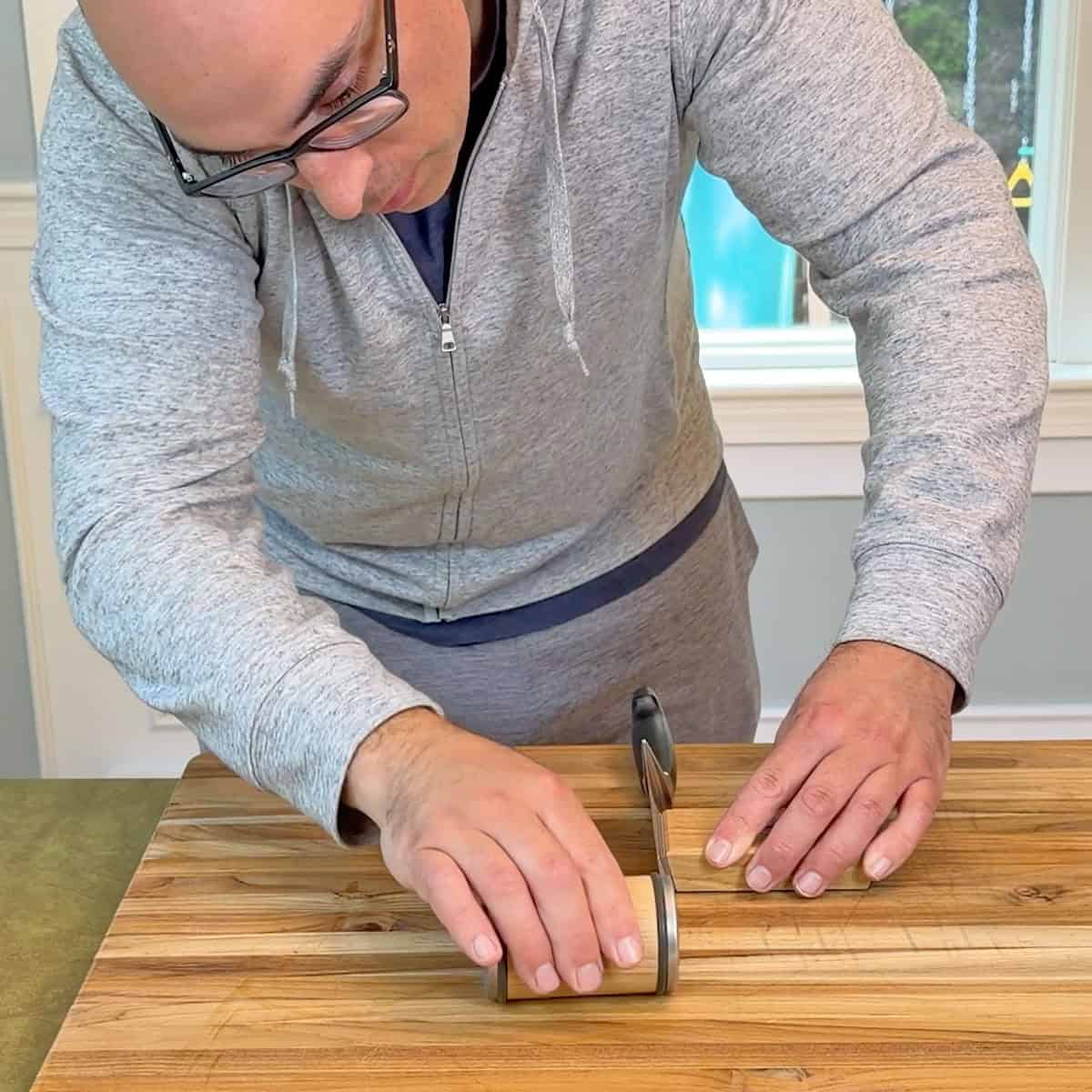
Switching from sharpening to honing is quick. You flip the roller from the diamond side to the ceramic side and keep going.
It’s also compact. Compared to the Work Sharp Precision Adjust fixed-angle system, the Horl takes up less space and has fewer parts to manage.
The learning curve is much lower than a whetstone, but you still need to pay attention to the pressure and blade position.
If you roll straight across a curved tip without adjusting your pressure or angle of movement, the tip can flex away from the disc and sharpen unevenly.
Noise and Cleanup
The Horl 3 is much quieter than electric sharpeners. In my noise test, it measured in the high 60-decibel range.
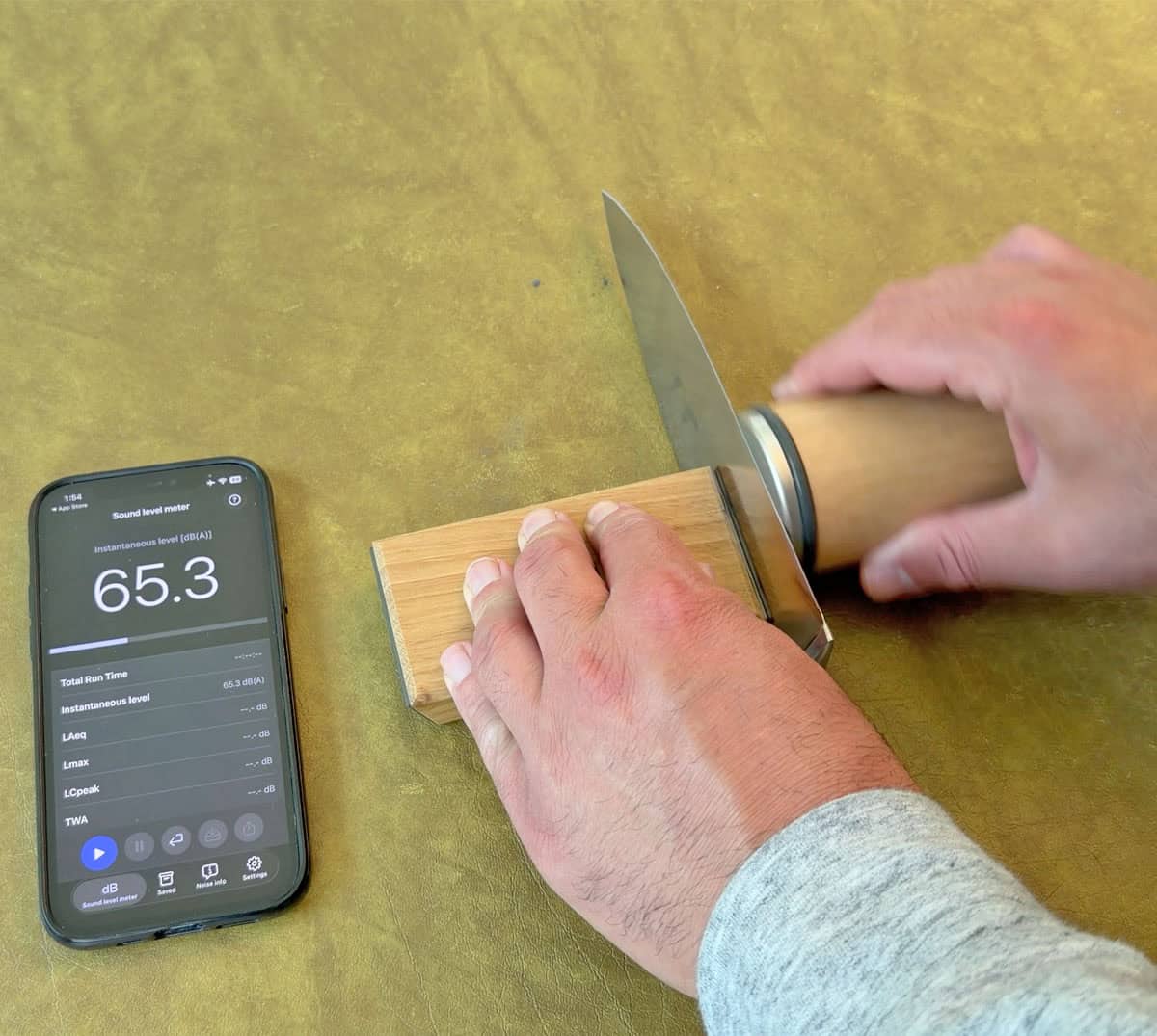
The Work Sharp MK2 measured 77 decibels while running and reached the low 80s while sharpening with the coarse belt. The Chef’sChoice 15XV was even louder, measuring in the mid to high 80s.
Cleanup is minimal. There’s no metal dust flying across the table like I saw with the Work Sharp MK2. There’s also no water or slurry like you get with whetstones.
You may see fine metal residue on the disc or blade, but it’s easy to wipe away.
Angle and Grit Options
The Horl 3 gives you two sharpening angles: 15 degrees and 20 degrees.
The 15-degree side is better for thinner Japanese-style edges. The 20-degree side is better for many Western-style chef’s knives, outdoor knives, and pocket knives.
But the angles are still limited. If you want a 10, 13, 17, 22, or 25-degree edge, the standard Horl 3 won’t give you that. For more angle options, you’d need the Horl 3 Pro, which offers six angles.
The standard Horl 3 comes with a diamond grinding disc and a ceramic honing disc. The diamond disc does the initial sharpening. The ceramic disc removes the burr and refines the edge.
Horl does not list simple grit numbers for the standard Horl 3 discs. It says the diamond disc uses block diamonds and removes up to 80% more steel than the Horl 2 version.
For most home cooks, the included discs are enough. If you want a finer finish, Horl sells extra accessories like the Precision Kit and Care Kit separately.
Disc Attachment
One thing I don’t love about the Horl 3 is how the discs attach. On the Horl 2, the discs screwed on. You could turn the disc several times to tighten it securely.
With the Horl 3, the discs connect with Horl’s Quick Lock system. I understand why Horl made that change. It makes the discs faster to remove and swap. But during my testing, the disc popped off a few times.
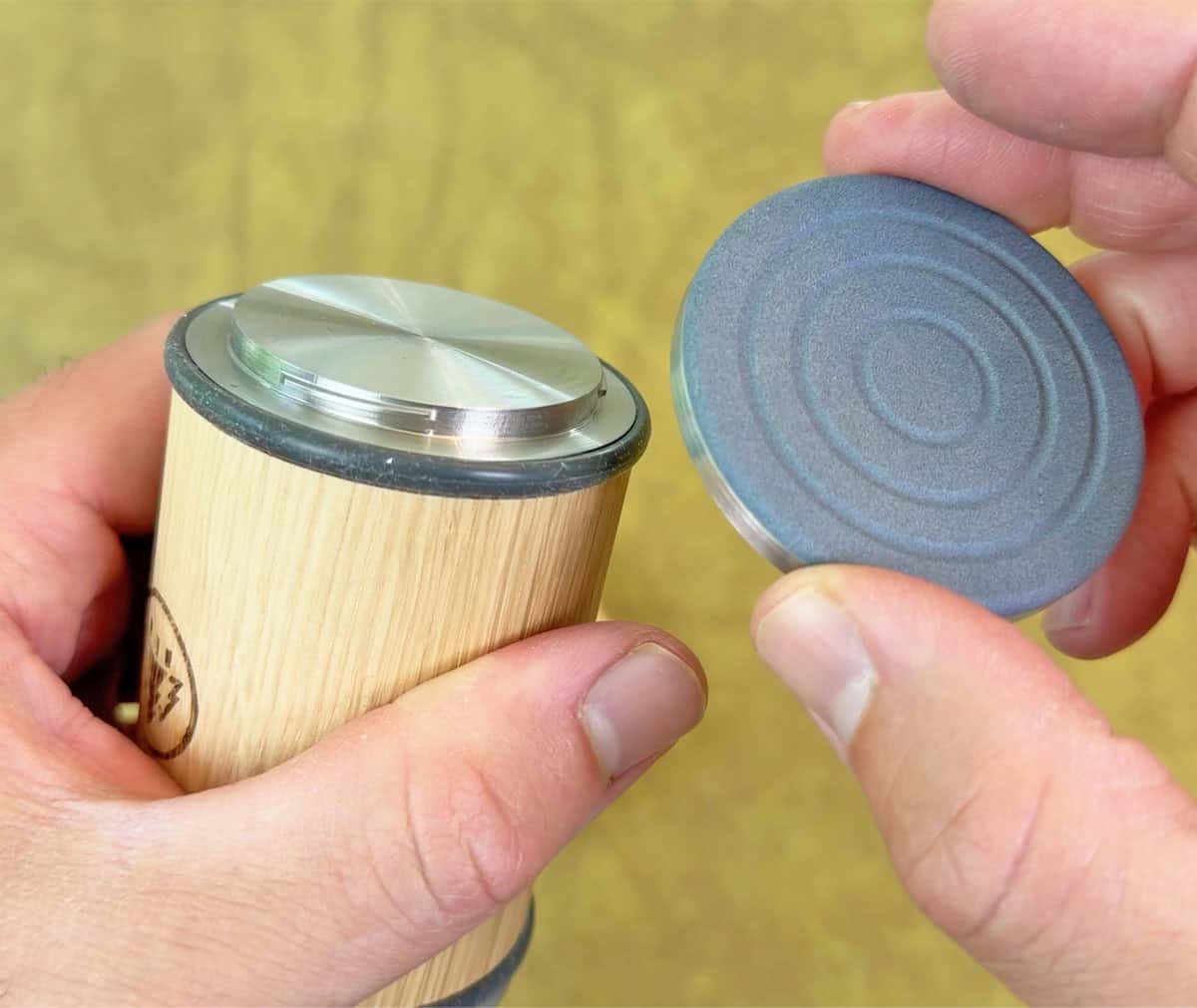
That wasn’t a constant issue, but it was annoying. And on a sharpener this expensive, I’d rather have the more secure screw-on design than a faster quick-lock design.
Blade Shape Limitations
The Horl 3 works best on standard chef’s knives with enough flat blade surface to sit securely against the magnet. Some knife shapes are more difficult.
Near the tip, chef’s knives get thinner and start to curve. Since the magnetic angle support is only about 2.25 inches wide, the tip can flex away from the disc if you press too hard.
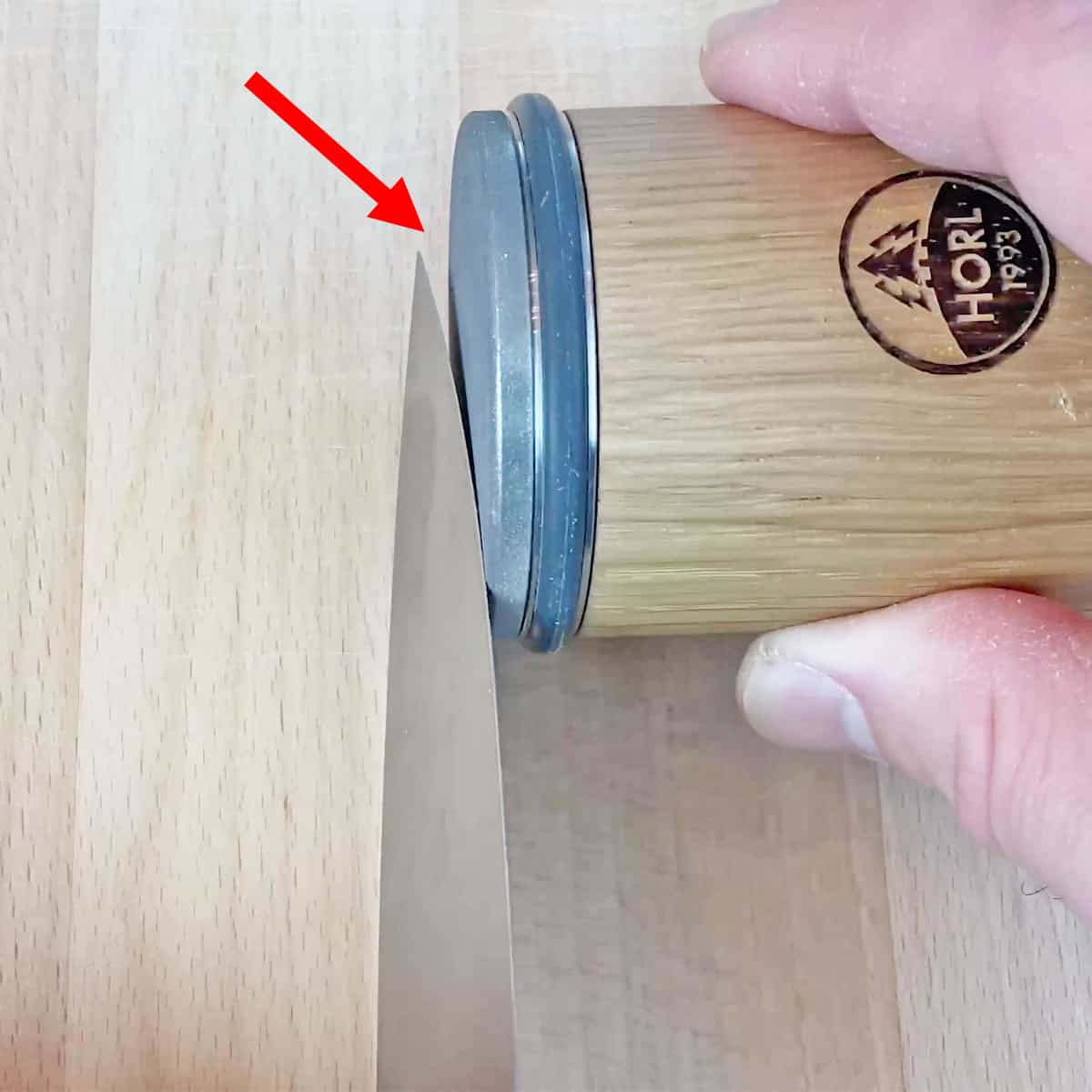
The solution is to lighten your pressure as you approach the tip. You can also sharpen the knife in sections by moving the magnetic support closer to the tip.
The Horl 3 can also struggle with knives that have long, sweeping curves, like cimeter knives. The curve makes it harder to keep the edge in full contact with the disc, so you may need to reposition the knife several times.

Full bolsters can also get in the way. If the diamond disc hits the bolster near the heel, it can leave a mark. And on some knives, the handle blocks the roller before it reaches the back of the edge.
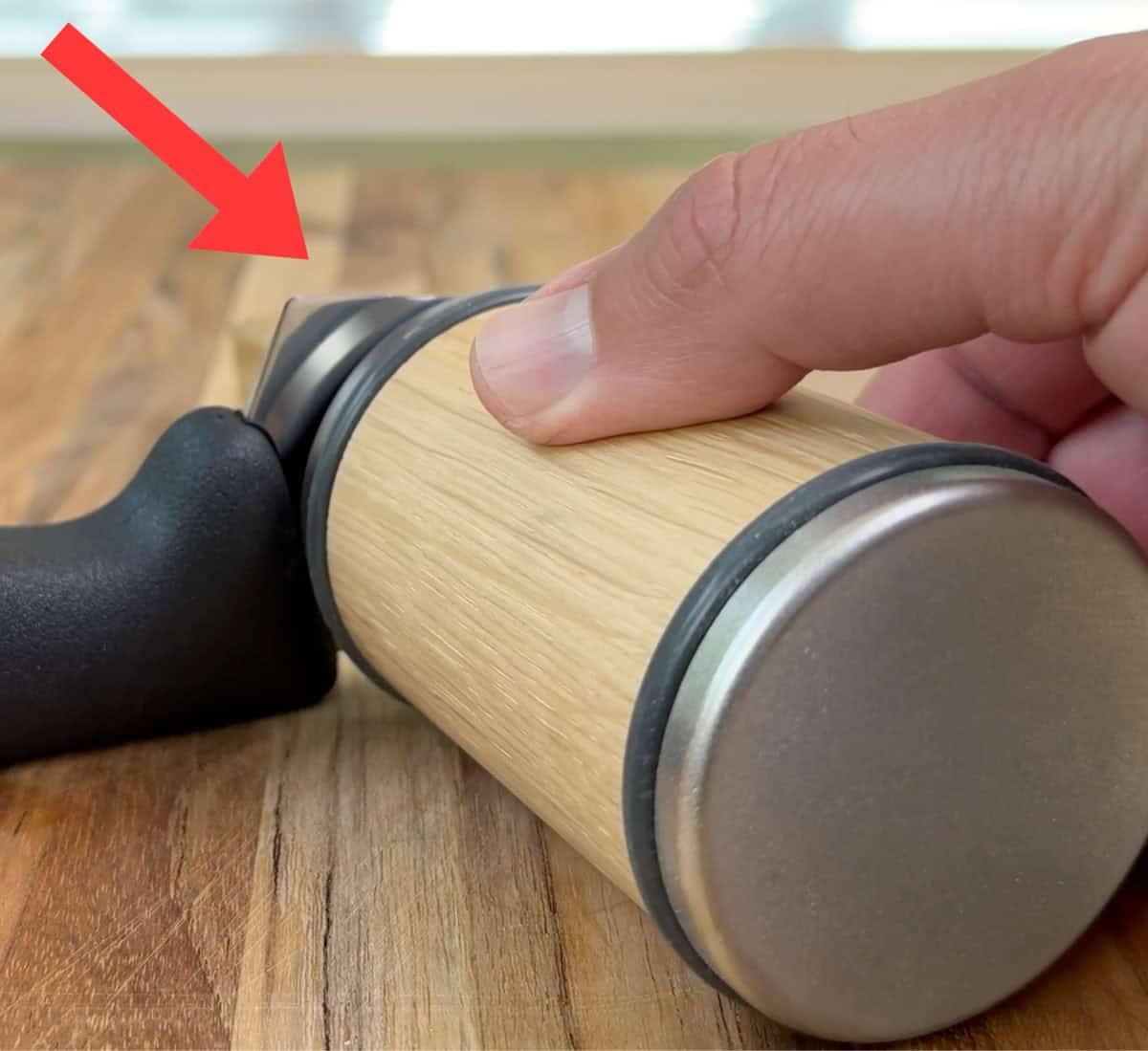
These issues don’t make the Horl 3 bad, but they do show that it’s not as universal as a whetstone.
Safety
With an electric pull-through sharpener, the edge points down inside the slot. With a whetstone, the edge is usually angled away from your hand as you move the knife across the stone.
With the Horl 3, your hand moves near an exposed edge facing up. The wooden roller is smooth, so you need to make sure your hand doesn’t slip.
I didn’t have any accidents during testing, but I paid close attention to hand position.
The magnets are also strong. If you’re sharpening several knives at once, keep the extra knives away from the angle support. The magnet can pull nearby knives toward it.
Horl vs. Other Rolling Sharpeners
Before testing the Horl 3, I tested the Horl 2 against the Tumbler and Work Sharp rolling sharpeners (see my tests).

Those results don’t transfer perfectly to the Horl 3 because the design has changed. But several things still apply, especially how Horl feels compared to other rolling sharpeners.
The biggest advantage is smoothness. In my Horl 2 test, Horl spun much more freely than Tumbler and Work Sharp. When I spun the Horl 2 by hand, it kept spinning for around 10 seconds. The Tumbler stopped after about 2 seconds. The Work Sharp spun smoother than Tumbler, but it was nowhere near as smooth as Horl.
That smoother rolling action matters while sharpening. It gives you more control, especially near the tip where you need to curve the roller with the blade.
Horl’s magnet is also strong enough in real use. In my Horl 2 comparison, Tumbler had the strongest magnet, Work Sharp was second, and Horl 2 was third. But I never had an issue with knives moving or detaching while sharpening with Horl.

The Work Sharp rolling sharpener had more angle options: 15, 17, 20, and 25 degrees. But I didn’t like how it rolled. Because the spinning disc and bottom wheels were different sizes, the sharpener didn’t glide straight. It pulled back toward my hand, and I had to constantly correct it.
Tumbler was the best budget option in that comparison. It sharpened better than Work Sharp, had the strongest magnet, and cost less than Horl. But the discs were not removable, and the roller didn’t spin as smoothly.
The Horl 2 was the winner in that earlier rolling sharpener test because it had the best sharpening results, the smoothest rolling action, removable discs, and the longest magnetic angle support.
The Horl 3 keeps the smooth rolling feel and removable discs, but I prefer the Horl 2’s screw-on disc attachment. The quick-twist connection on the Horl 3 is faster, but it didn’t feel as secure during my testing.
Bottom Line: Is Horl 3 Worth Buying?
The Horl 3 is worth buying if you want a quiet, compact, low-mess sharpener that’s easier to learn than a whetstone.
It produced an excellent result on the Miyabi Artisan knife, taking it from 638 to as low as 163 on the BESS scale. It also has the smooth rolling feel that made Horl stand out when I tested the Horl 2 against Tumbler and Work Sharp.
But it’s not perfect. The cheap chef’s knife barely improved, the Zwilling result was good but not great, and the new Quick Lock disc attachment popped off a few times during testing.
Compared to electric sharpeners like the Chef’sChoice 15XV, the Horl 3 is slower but quieter, cleaner, and more controlled. Compared to whetstones, it’s easier to use but less flexible.
I’d buy it for regular maintenance on decent kitchen knives. I would not buy it as my only solution for very dull knives, damaged edges, or knives with unusual shapes.
You can check the latest price for the Horl 3 on Horl.com. Horl is also available on Amazon.
Related Topics
- Horl 2 Knife Sharpener Review: Is It Worth the High Price?
- Horl 2 vs. Tumbler vs. Work Sharp: Best Rolling Knife Sharpener?
- Best Kitchen Knives Made in the USA
- Chef’sChoice 15XV Review: I Tested It Against 5 Other Sharpeners
- 22 Practical Gifts That People Who Like to Cook ACTUALLY Want
- Are Cuisinart Knives Any Good? An In-Depth Review
- Are Calphalon Kitchen Knives Any Good? An In-Depth Review
- Misen Chef’s Knife Review: My Brutally Honest Take After 2+ Years
- Single-Bevel vs. Double-Bevel Knives: 10 Key Differences
- Best Kitchen Knives NOT Made in China: The Definitive Guide
- Which Wusthof Knives Are the Best? (With Comparison Chart)
- Wusthof vs. Zwilling J.A. Henckels: Kitchen Knives Compared
- Shun vs. Wusthof: Kitchen Knives Compared

